Lesson 1
DIFFERENCES IN LACE ON A WIG
Not all lace is created equal. Here's what you're actually buying — and what it means for your hairline.
Basic Lace Cap
Entry LevelThe most common and affordable lace cap construction. Uses a standard lace material that is typically thicker and less natural-looking at the hairline. Great for beginners or protective styles where the hairline is not the focus. Often found in budget-friendly wigs.
✅ PROS
- ▸Most affordable option
- ▸Durable and long-lasting
- ▸Easy to find and replace
⚠️ CONS
- ▸Hairline looks less natural
- ▸Thicker lace is more visible
- ▸Limited styling versatility at the part
📸 Robin's Reference Photos
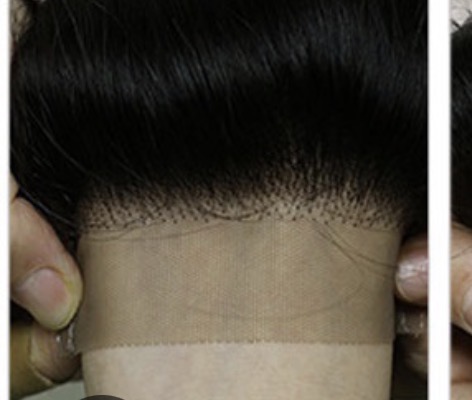
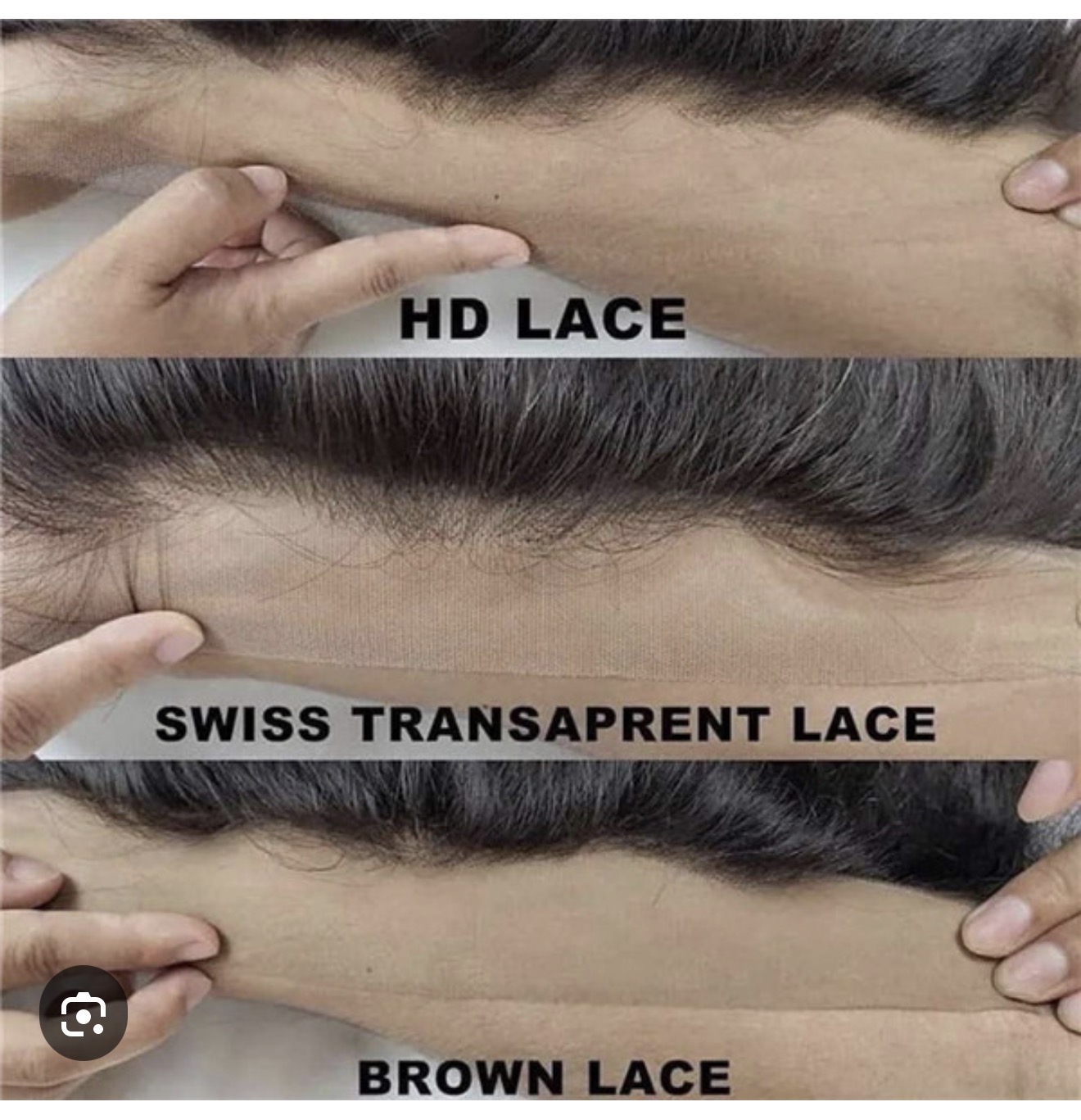
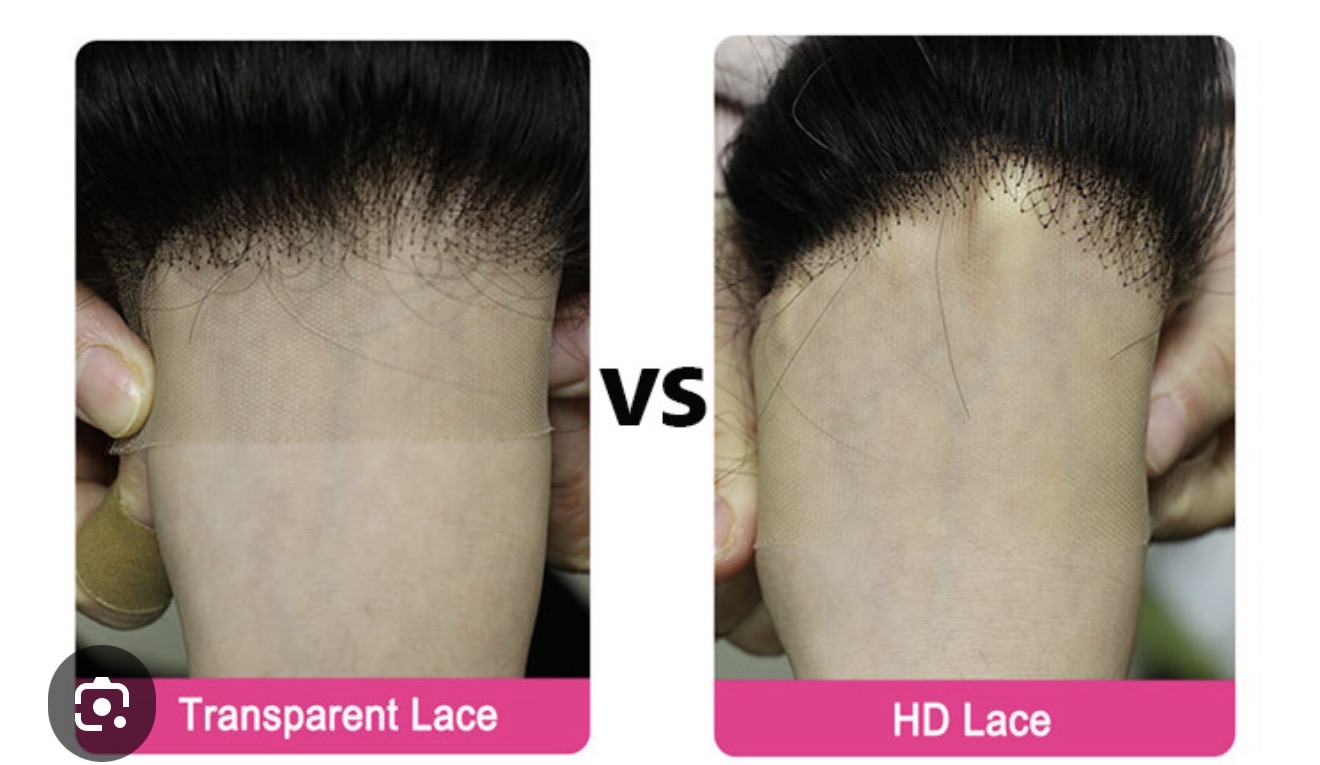
Transparent Lace Front
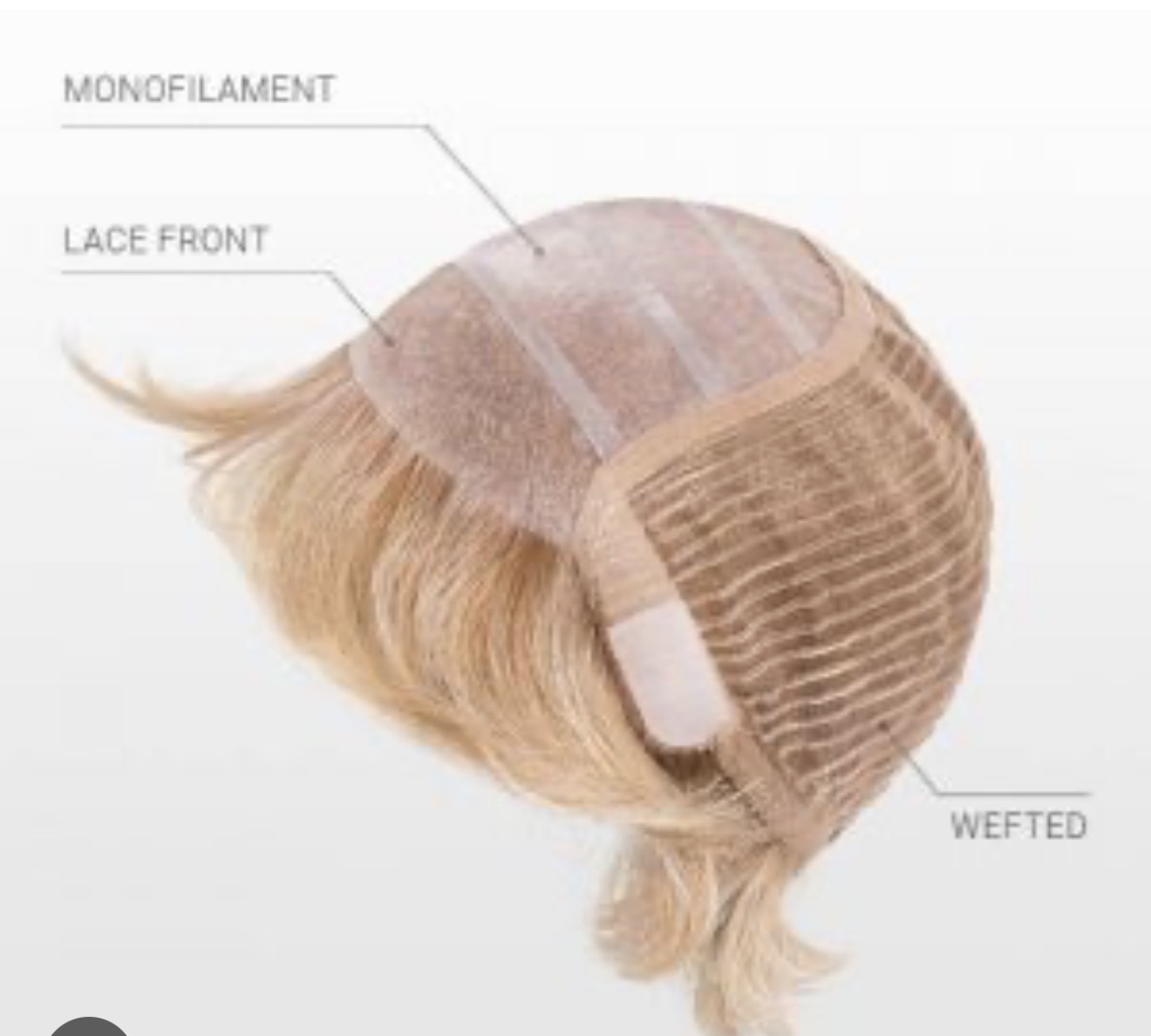
PopularA lace front wig with a sheer, transparent lace panel along the front hairline (typically 2–4 inches deep). The transparent color blends with most skin tones, giving the illusion of a natural hairline. The rest of the cap is a standard weft construction.
✅ PROS
- ▸Natural-looking hairline
- ▸Blends with most skin tones
- ▸More affordable than full lace
- ▸Breathable front section
⚠️ CONS
- ▸Only the front hairline is lace
- ▸Less versatile styling — can't part anywhere
- ▸Lace can be fragile if not handled carefully
📸 Robin's Reference Photos
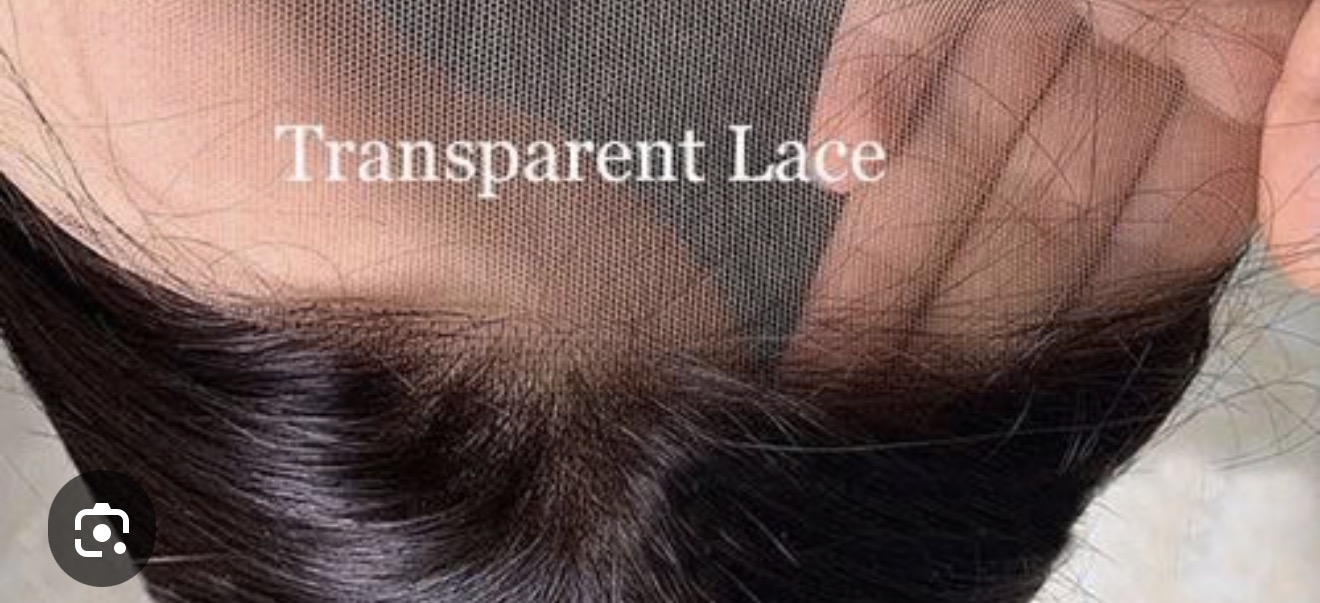
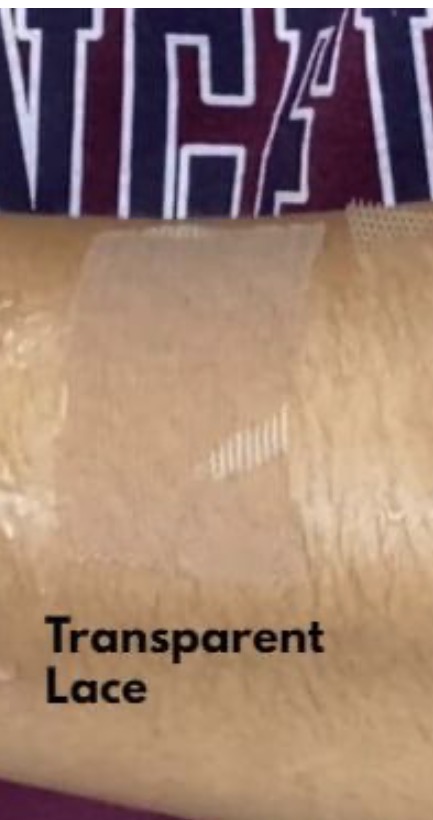
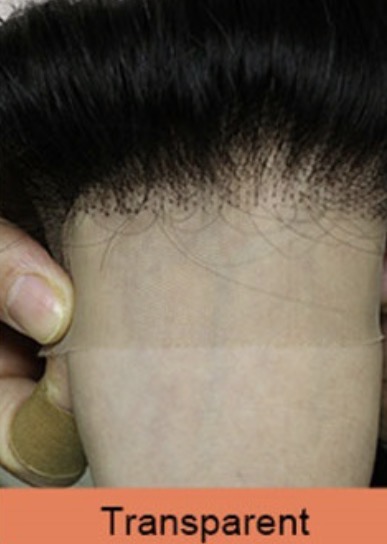
Transparent Swiss or French Lace Front
Mid-RangeAn upgrade from standard transparent lace. Swiss lace is ultra-thin and delicate, offering the most invisible appearance at the hairline. French lace is slightly thicker than Swiss but more durable. Both provide a very natural-looking scalp appearance.
✅ PROS
- ▸Very natural scalp appearance
- ▸Thinner and more realistic than basic transparent lace
- ▸French lace offers better durability than Swiss
- ▸Widely available in mid-range wigs
⚠️ CONS
- ▸Swiss lace is fragile and can tear easily
- ▸Requires careful application and removal
- ▸Higher price point than basic transparent lace
📸 Robin's Reference Photos
HD Lace Front
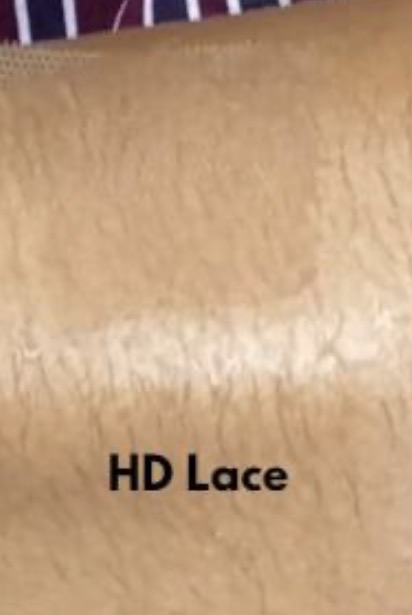
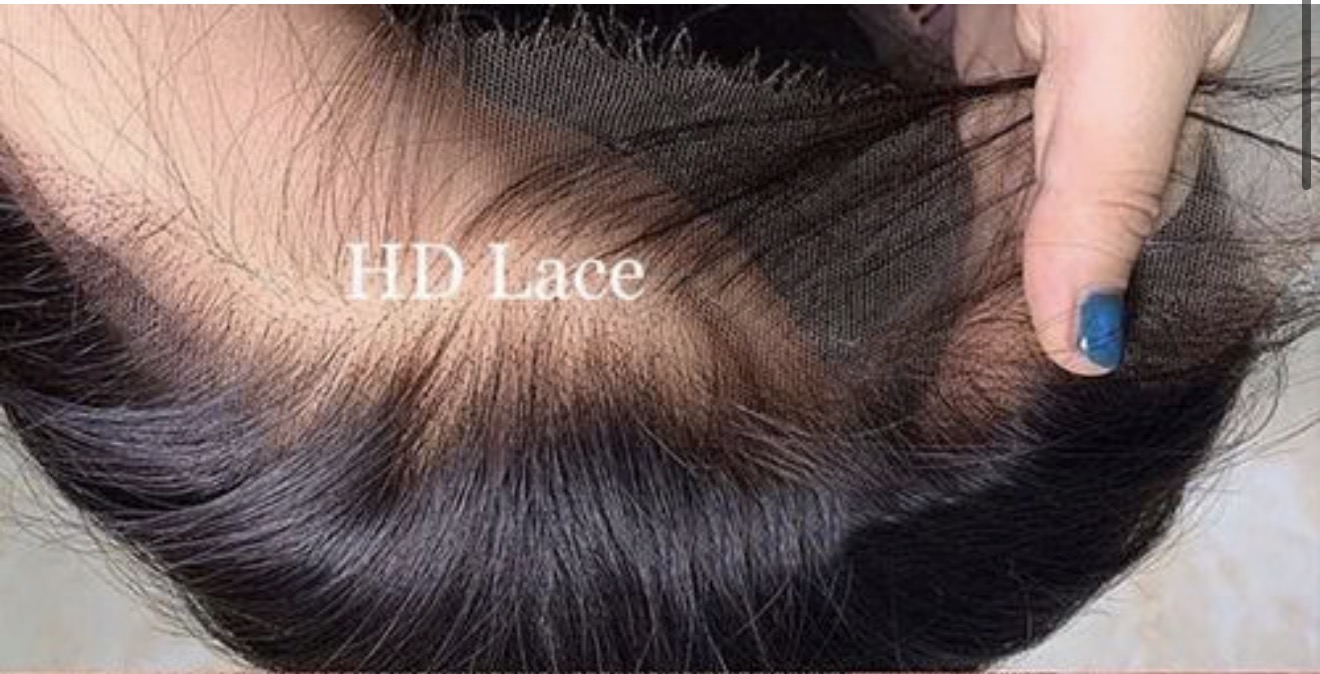
PremiumHD (High Definition) lace is the thinnest, most transparent lace available. It virtually melts into the skin, making the hairline nearly undetectable — even up close. Requires minimal to no bleaching of the knots and works beautifully on all skin tones.
✅ PROS
- ▸Virtually invisible hairline on all skin tones
- ▸Minimal knot bleaching needed
- ▸Ultra-realistic scalp appearance
- ▸Best for camera-ready looks
⚠️ CONS
- ▸Most delicate — tears easily if mishandled
- ▸Higher price point
- ▸Requires careful glue application and removal
📸 Robin's Reference Photos
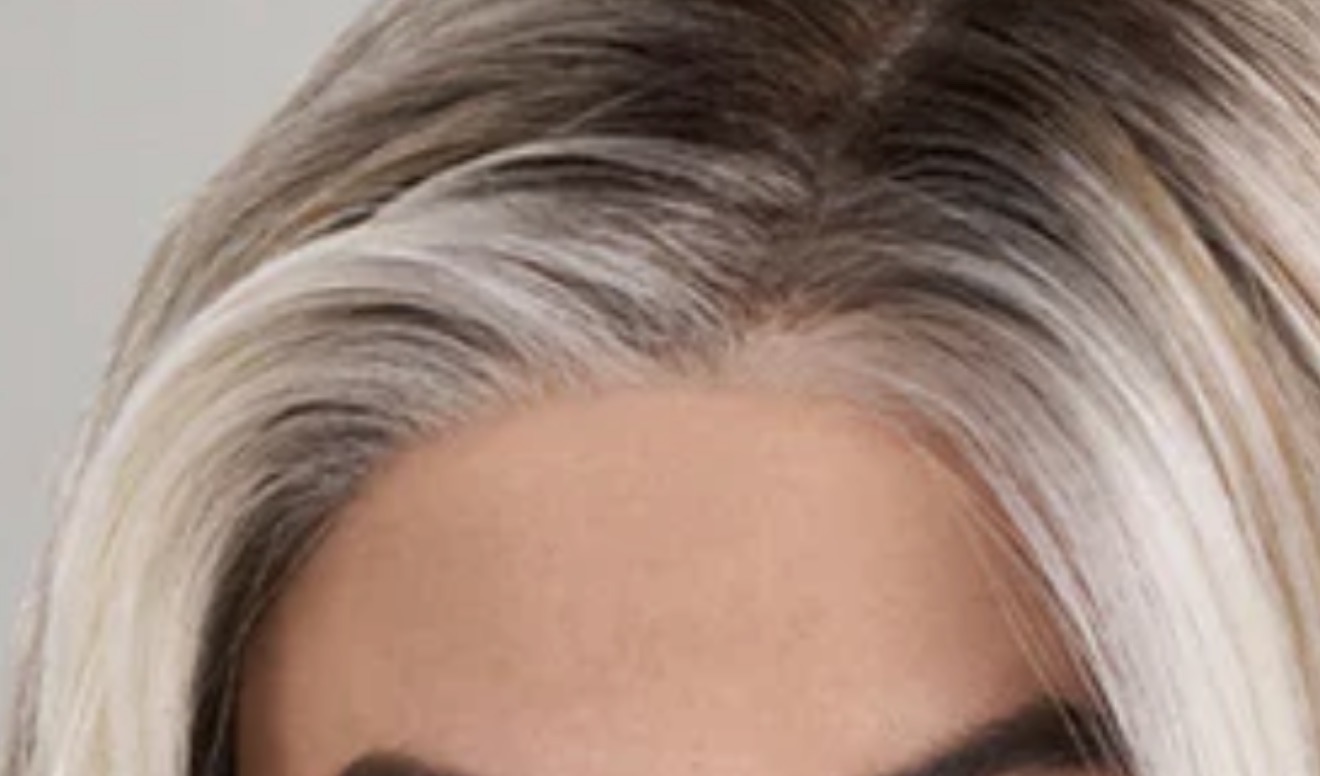
Monofilament Lace Front
SpecialtyMonofilament construction uses a thin, breathable mesh where each hair is individually hand-sewn. This allows the hair to move in multiple directions and creates the most realistic scalp illusion at the part. Popular for medical wig wearers.
✅ PROS
- ▸Most realistic part appearance
- ▸Hair moves in all directions naturally
- ▸Excellent for sensitive scalps
- ▸Can part hair anywhere on the mono panel
⚠️ CONS
- ▸Most expensive construction type
- ▸Heavier than pure lace caps
- ▸Requires more maintenance
📸 Robin's Reference Photos
Lesson 2
DIFFERENCES IN FIBER
The fiber is what you're actually wearing on your head. Know what you're buying before you buy it.
Non-Heat Friendly Synthetic
BudgetThe most basic and affordable synthetic fiber. Cannot withstand heat — heat will permanently damage or melt the fibers. Comes pre-styled from the factory. Best for low-maintenance wear where you don't plan to restyle.
Heat Friendly Synthetic — Unknown Source
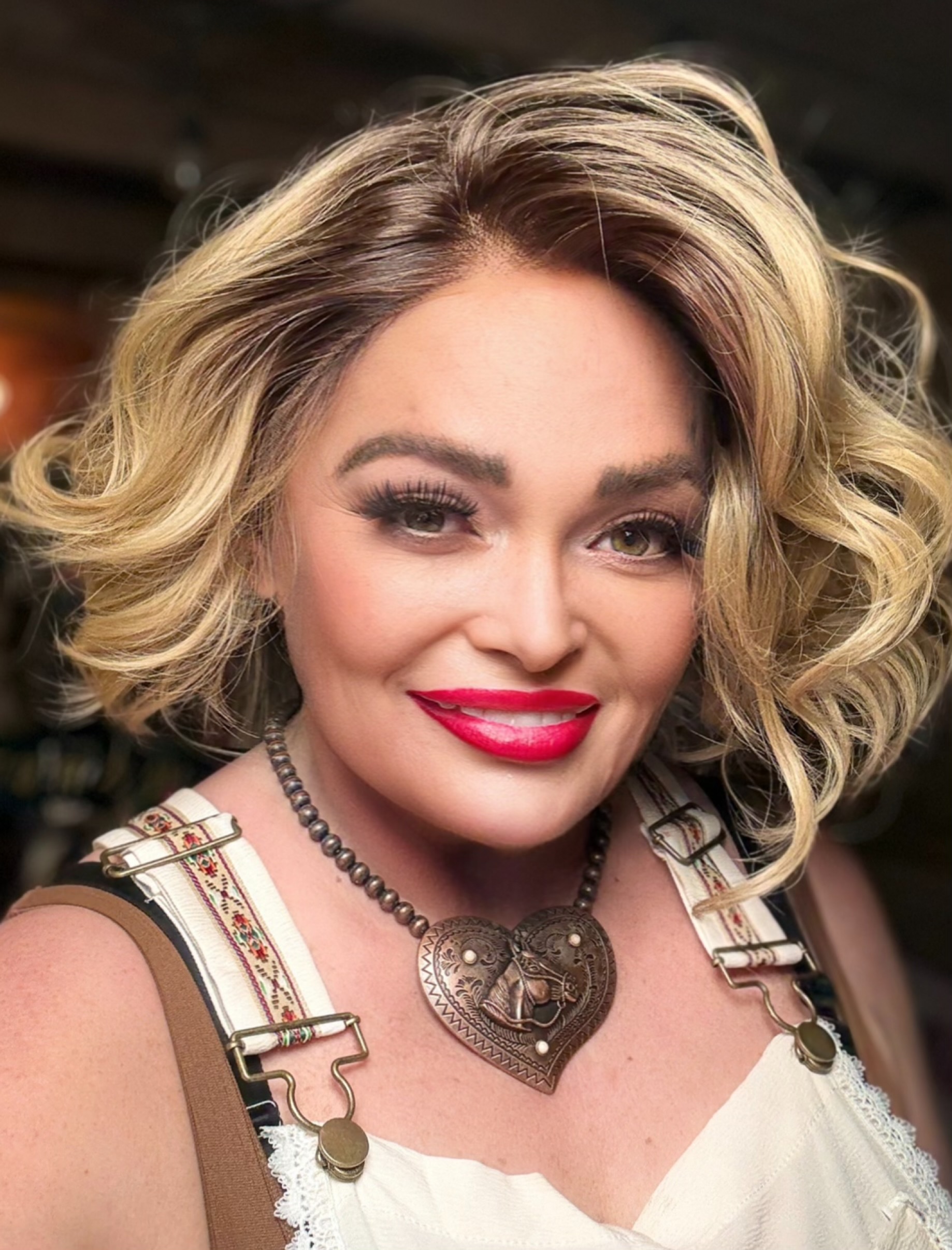
CautionLabeled as heat-friendly but sourced from unknown or unverified manufacturers. Quality and heat tolerance varies wildly. Proceed with caution and always test a small section first with low heat.
📸 Robin's Reference Photos
High-Quality Heat Friendly Synthetic / Blended Synthetic
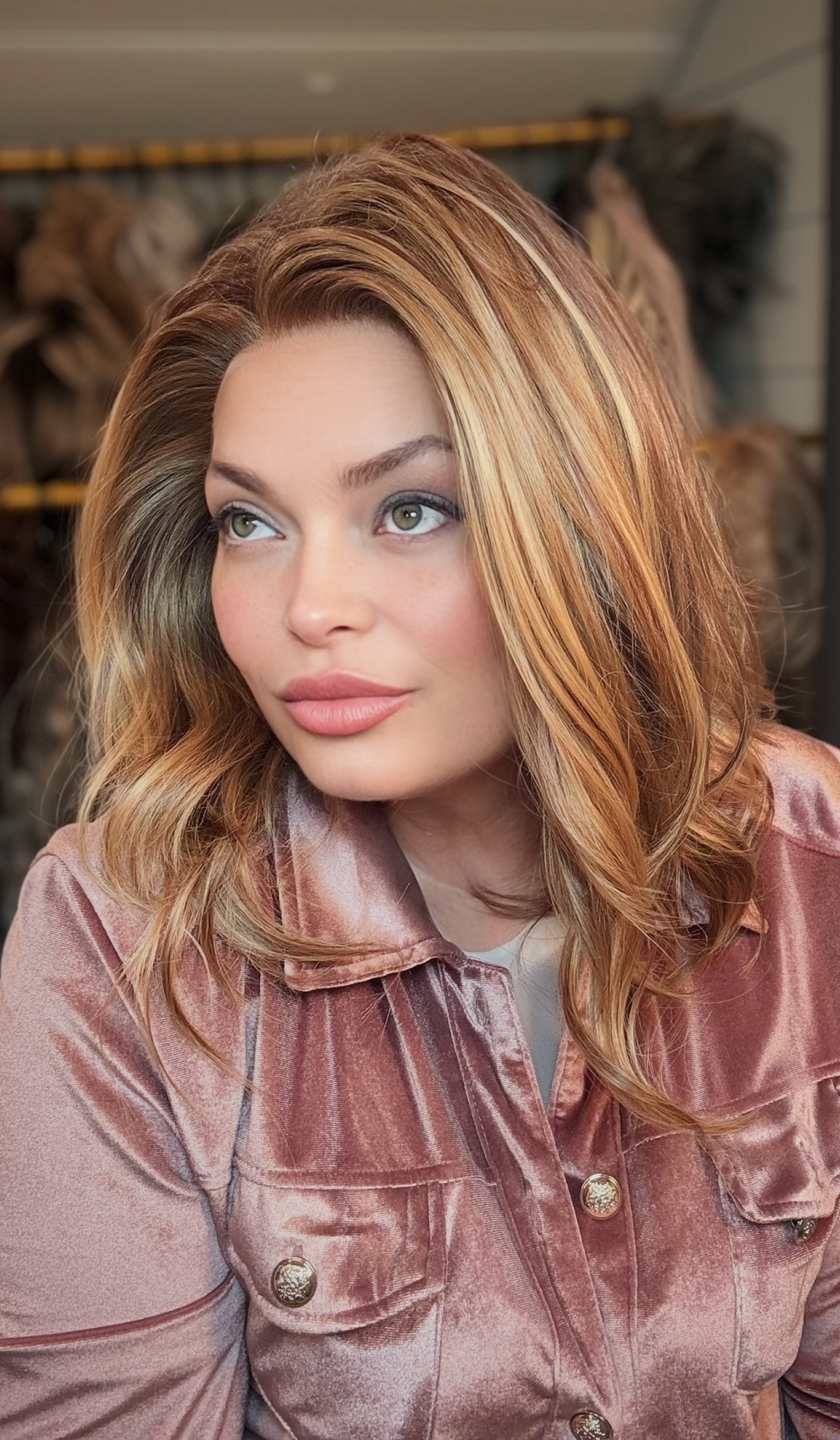
Mid-RangeSpecifically engineered to withstand heat styling tools at low to medium temperatures (typically up to 350°F / 180°C). More natural-looking than basic synthetic and holds styles well after heat application.
📸 Robin's Reference Photos
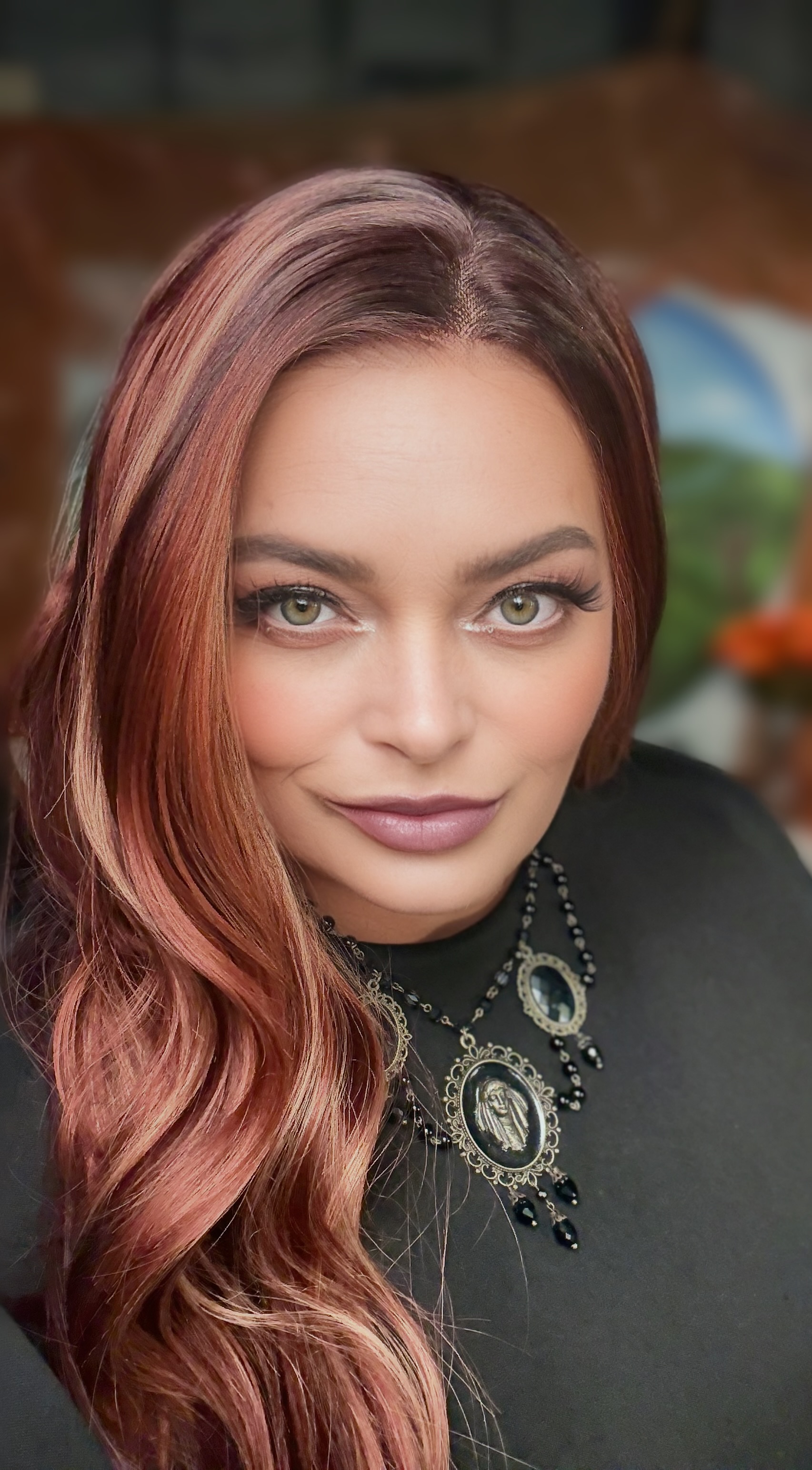
Premium Kanekalon Fiber
Industry StandardOne of the most recognized and trusted synthetic fiber brands in the wig industry. Known for its soft texture, natural sheen, and tangle-resistant properties. The benchmark for quality synthetic fiber.
📸 Robin's Reference Photos
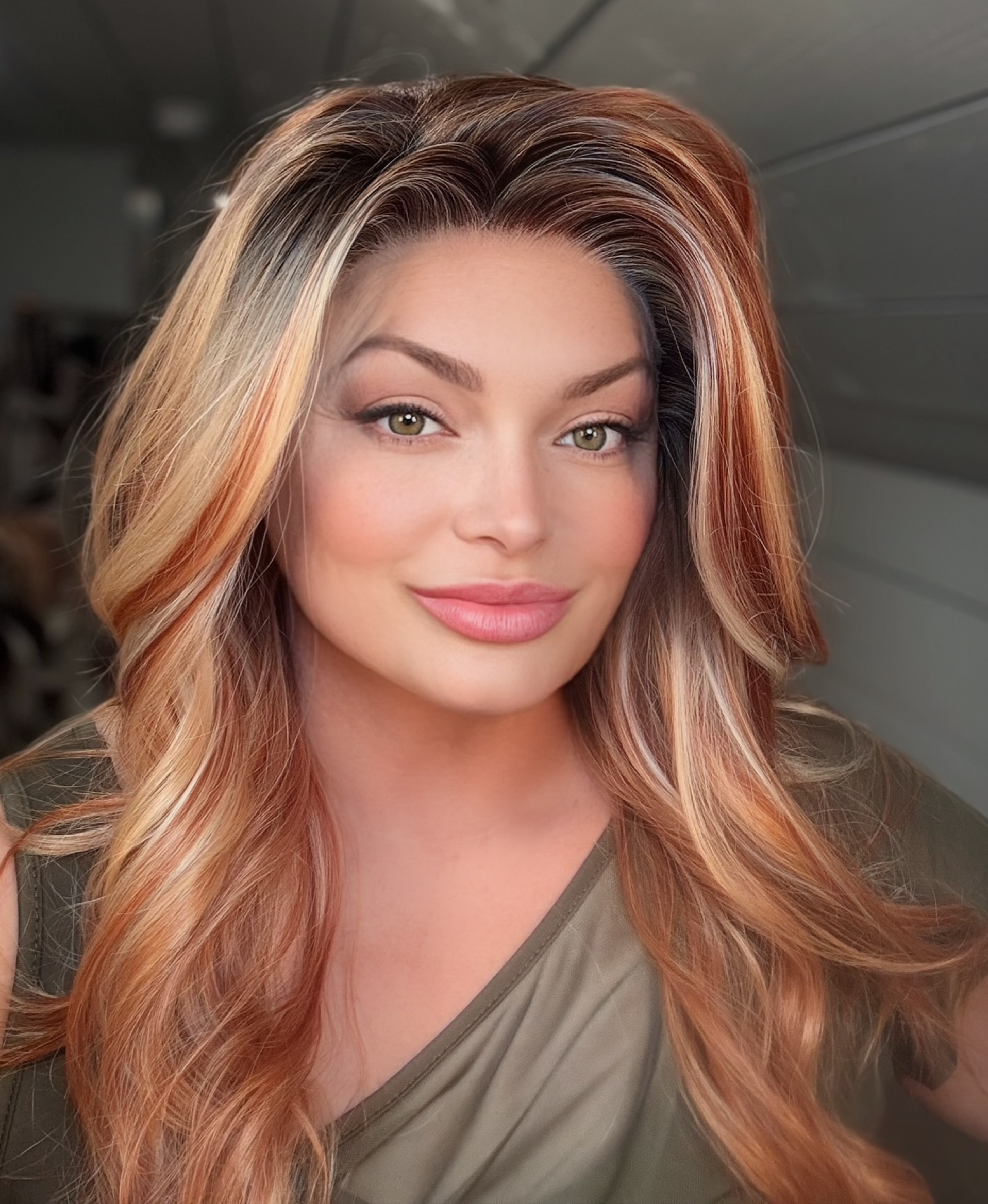
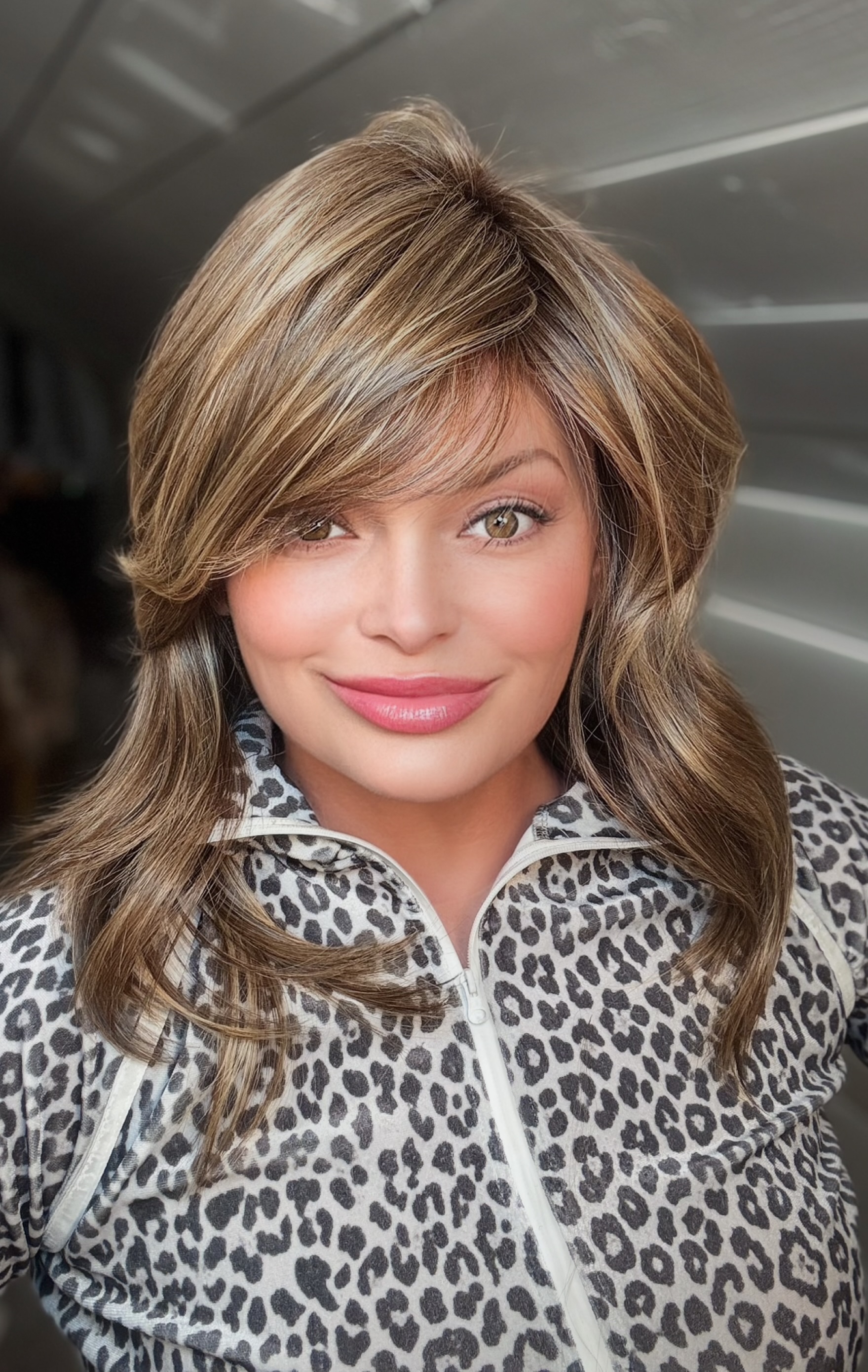
Futura Synthetic Fiber
Premium SyntheticA high-grade synthetic fiber known for exceptional heat resistance — up to 400°F / 204°C. Silkier, more luxurious texture than standard synthetic fibers. Holds curls and styles exceptionally well.
📸 Robin's Reference Photos

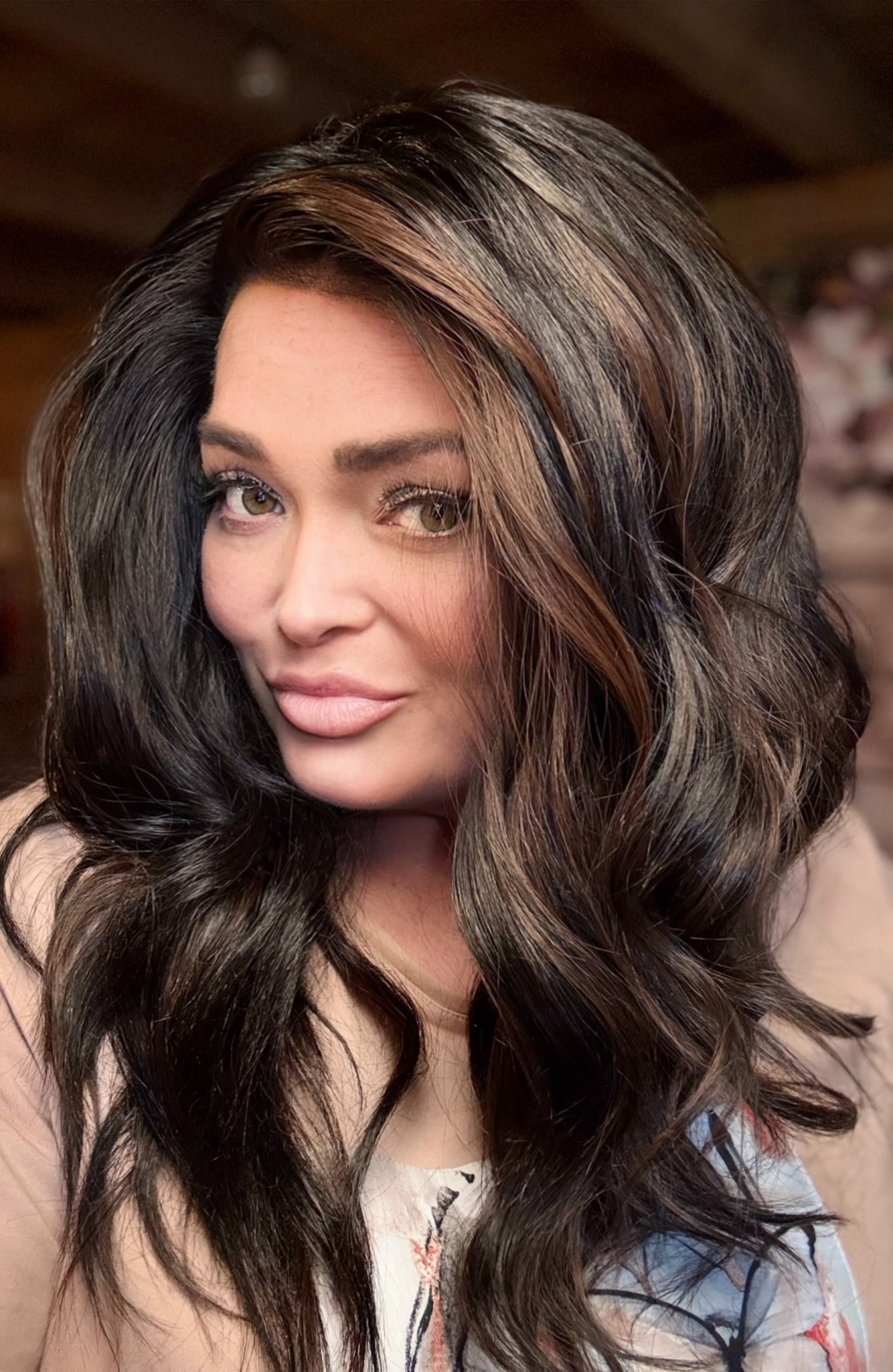
High-Quality Protein Synthetic Fiber
AdvancedEngineered to closely replicate the structure and feel of natural human hair at a molecular level. More realistic texture, natural sheen, and movement. Bridges the gap between synthetic and human hair.
📸 Robin's Reference Photos


Blended Human Hair / Synthetic Fiber
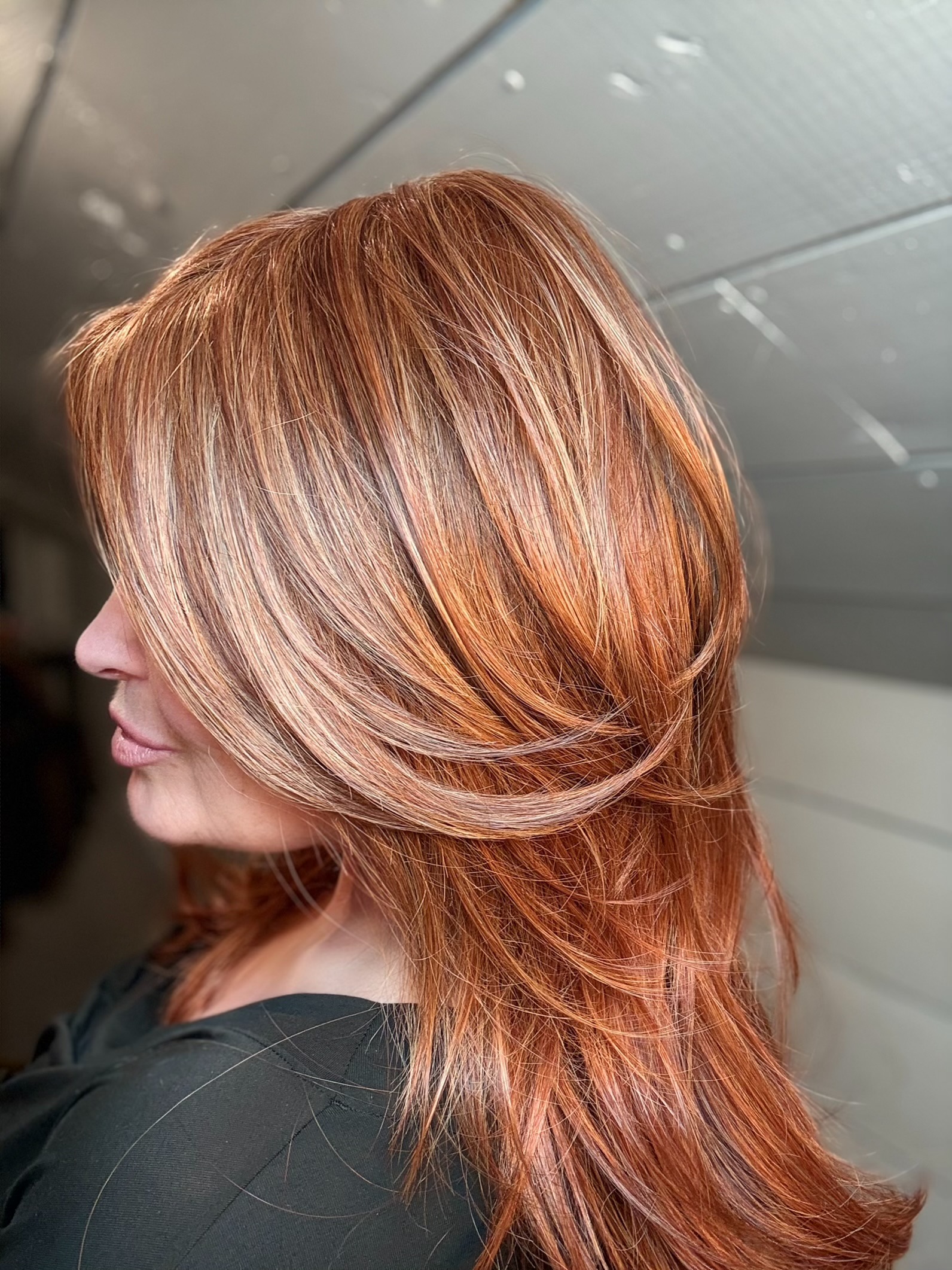
HybridCombines real human hair with synthetic fibers. The human hair provides natural texture and heat-styling capability, while the synthetic component helps hold shape and reduces cost. Quality varies by blend ratio.
📸 Robin's Reference Photos

Lesson 3
CAP CONSTRUCTIONS
The cap is the foundation of the wig. It determines how you install it, how you style it, and how natural it looks.
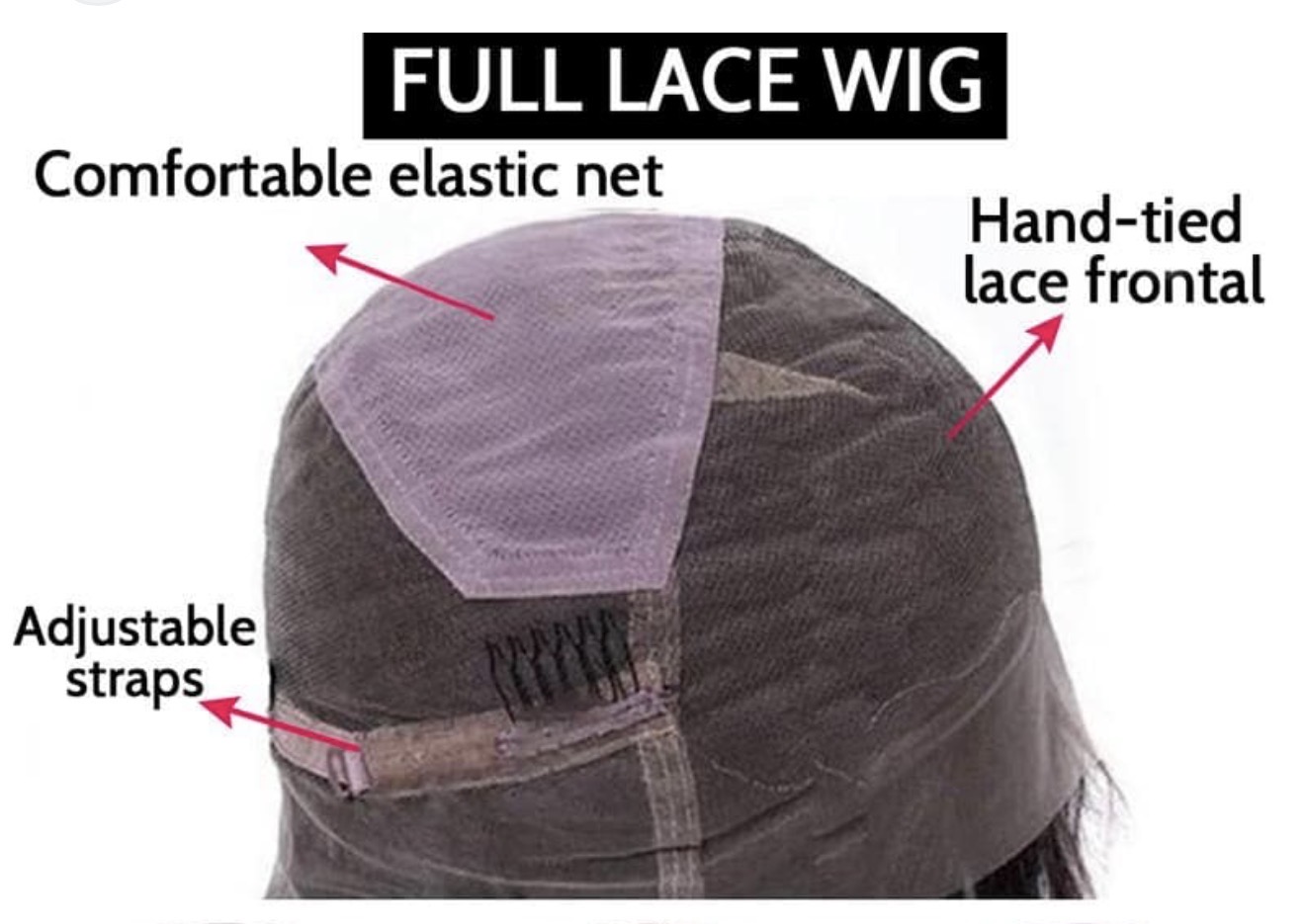
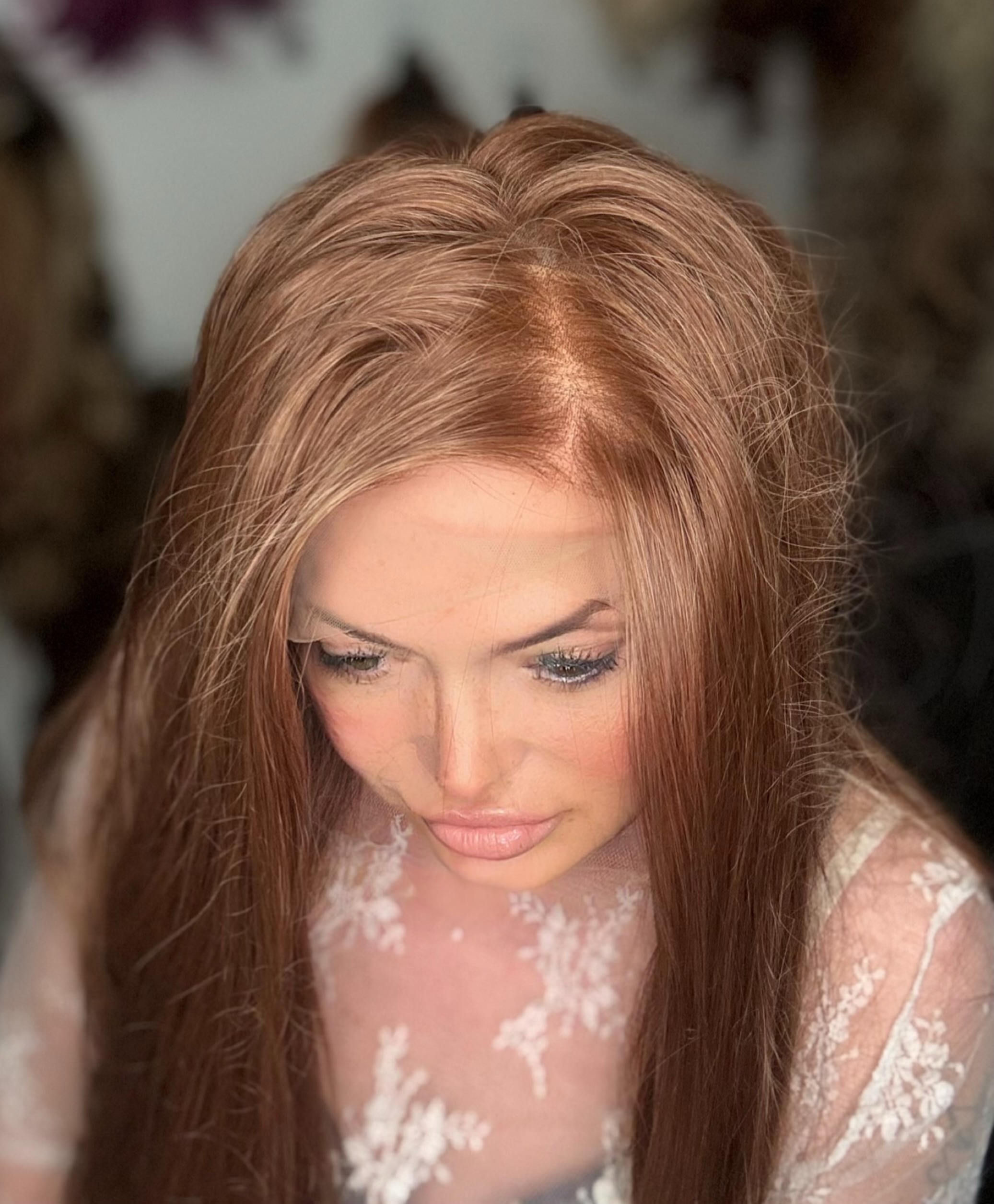
Full Lace Cap
PremiumThe entire cap is made of lace with each hair individually hand-tied. Allows you to part the hair anywhere on the head and style it in any direction — including updos and high ponytails. Maximum versatility but maximum price.
✅ PROS
- ▸Part anywhere on the entire head
- ▸Updos and ponytails look natural
- ▸Most realistic scalp appearance overall
⚠️ CONS
- ▸Most expensive cap type
- ▸Most fragile — requires careful handling
- ▸Longest installation time
📸 Robin's Reference Photos
Lace Front Cap
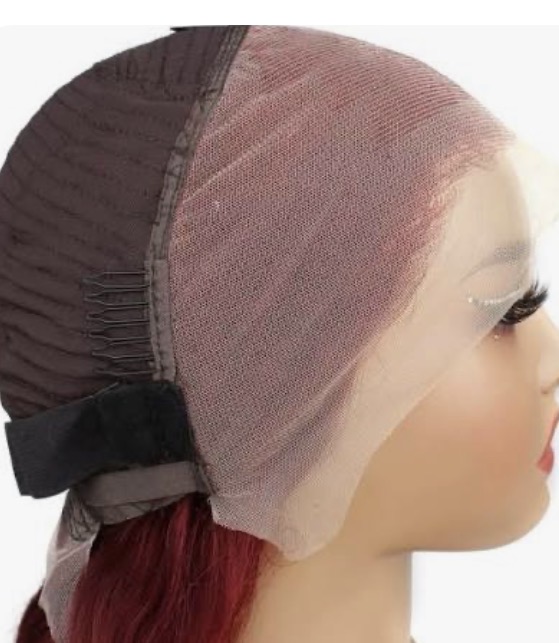
Most PopularLace only along the front hairline (2–4 inches). The rest of the cap is a standard weft or machine-sewn construction. The most widely available and affordable option that still provides a natural-looking hairline.
✅ PROS
- ▸Natural hairline appearance
- ▸More affordable than full lace
- ▸Widely available in all price ranges
- ▸Easier to install than full lace
⚠️ CONS
- ▸Can only part at the front
- ▸No updos or high ponytails
- ▸Less versatile than full lace
📸 Robin's Reference Photos
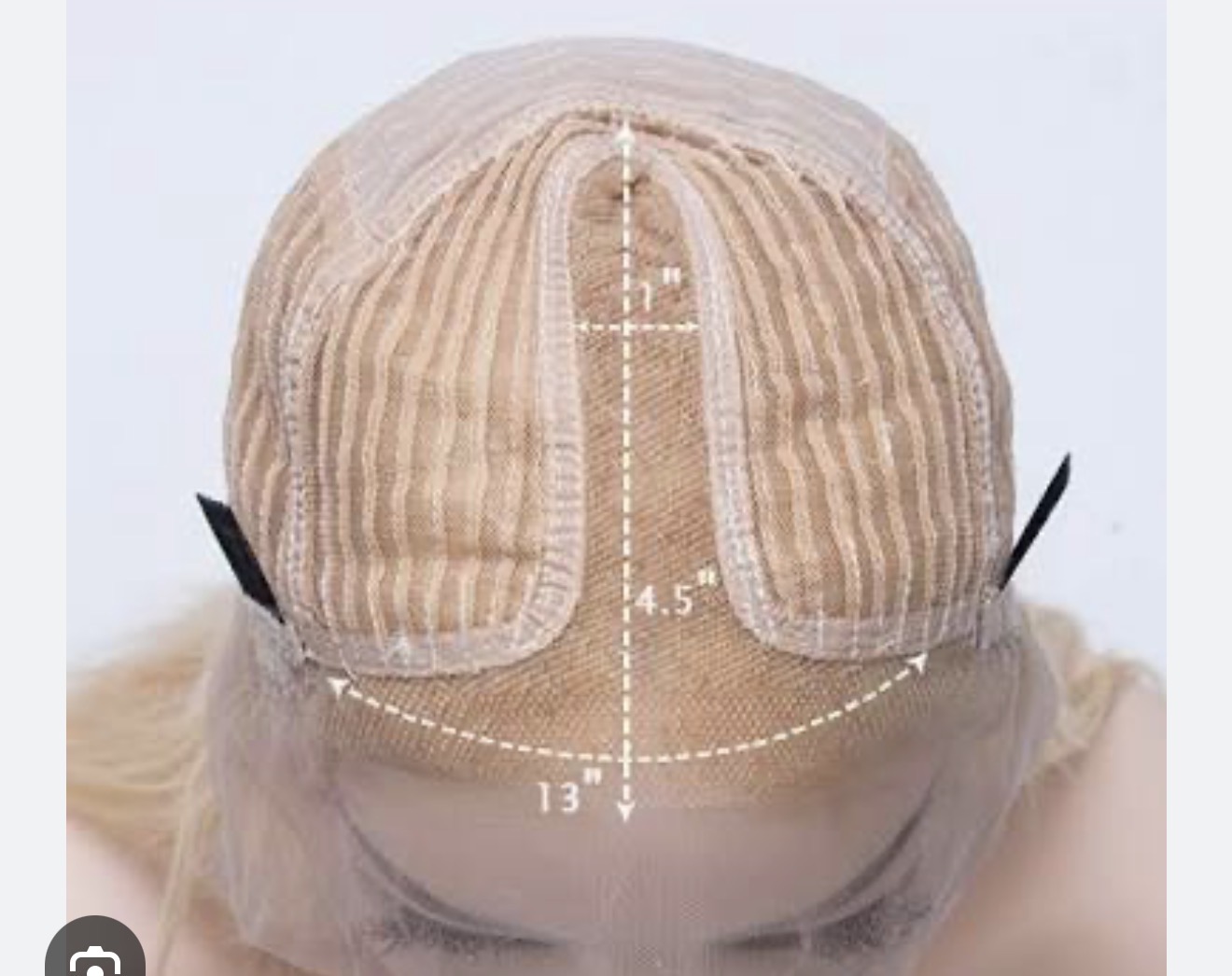
360 Lace Cap
VersatileLace runs all the way around the perimeter of the cap (360 degrees), with a weft construction in the middle. Allows for natural-looking hairlines all around the head — great for ponytails and updos without fully committing to a full lace wig.
✅ PROS
- ▸Natural hairline all the way around
- ▸Ponytails and updos look natural
- ▸Less expensive than full lace
- ▸Great middle ground option
⚠️ CONS
- ▸More expensive than basic lace front
- ▸Middle section is not individually hand-tied
- ▸Heavier than full lace
📸 Robin's Reference Photos
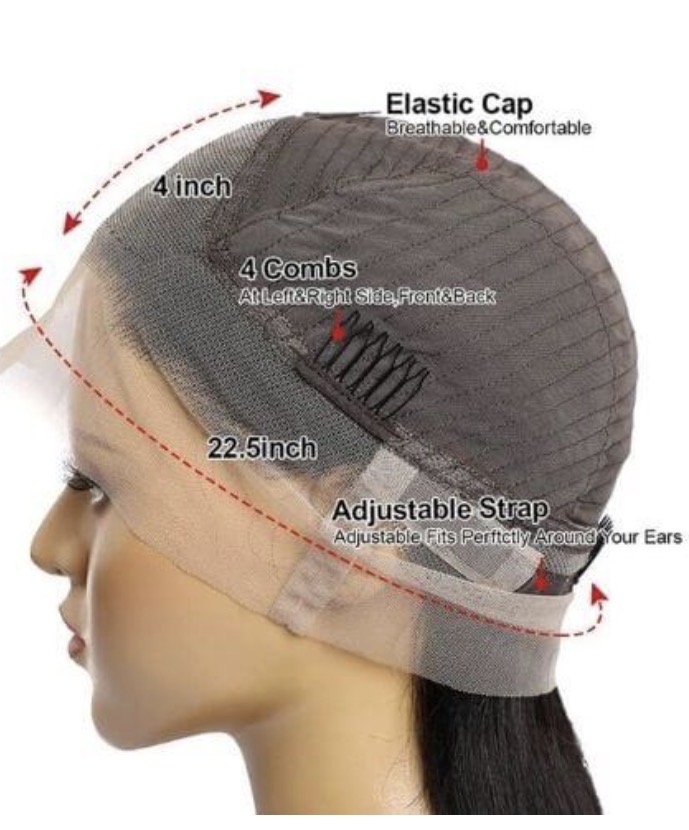
U-Part Cap
Blend-InA U-shaped opening at the top of the cap allows you to leave out your own natural hair to blend with the wig. No lace — attaches with clips. Great for protecting your natural hair while adding length and volume.
✅ PROS
- ▸Protects your natural hair
- ▸No glue or adhesive needed
- ▸Easy to put on and take off
- ▸Budget-friendly
⚠️ CONS
- ▸Requires leaving out your own hair to blend
- ▸Less natural-looking at the part
- ▸Not suitable for those with little or no natural hair
📸 Robin's Reference Photos
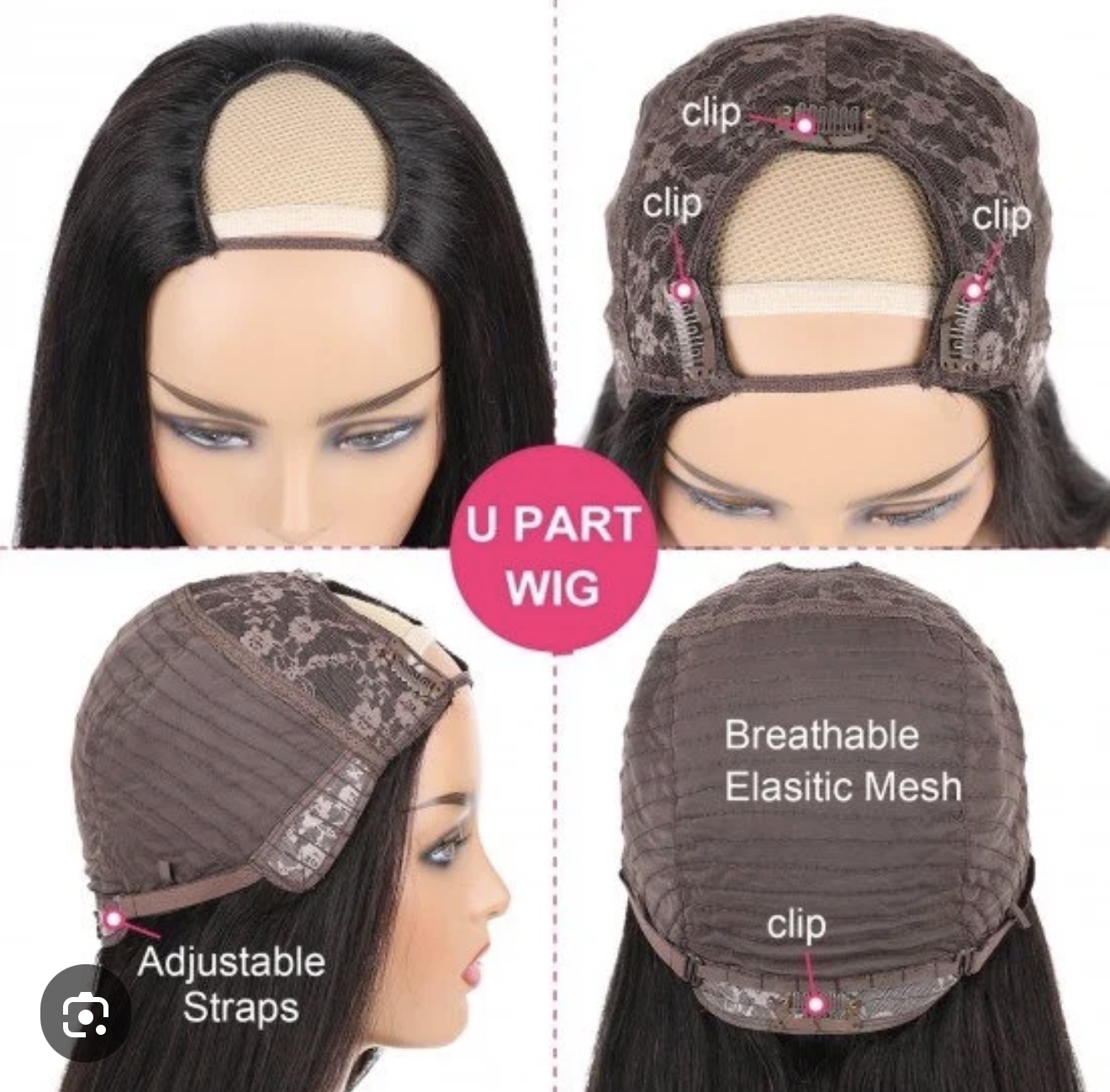
V-Part Cap
Blend-InSimilar to a U-Part but with a smaller V-shaped opening. Requires leaving out less of your natural hair to blend. Provides a more natural-looking part than a U-Part while still being clip-in and adhesive-free.
✅ PROS
- ▸Less natural hair needed to blend
- ▸No glue required
- ▸More natural part than U-Part
- ▸Protective styling option
⚠️ CONS
- ▸Still requires some natural hair
- ▸Part area can look less seamless than lace
- ▸Limited styling versatility
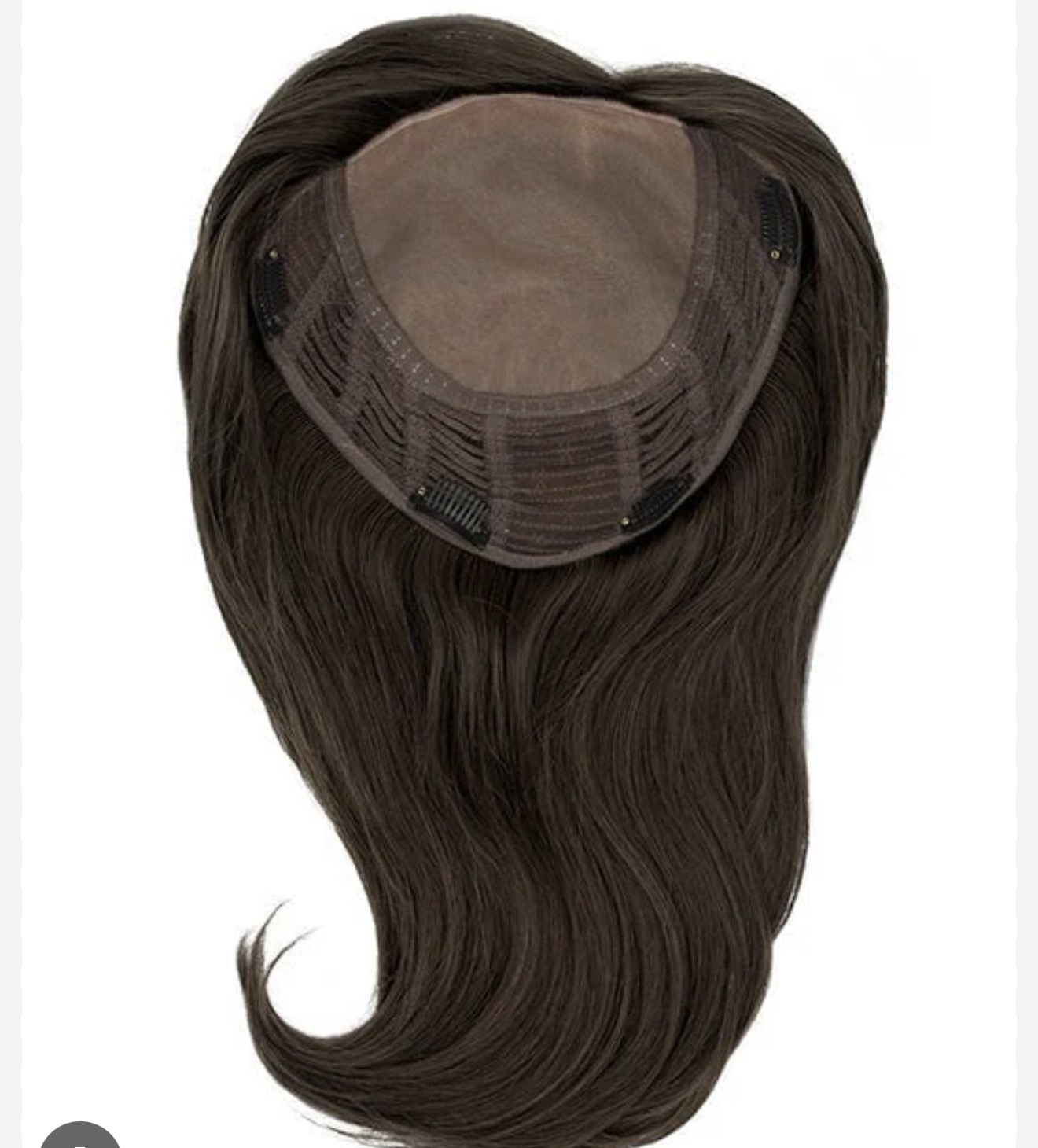
Half Wig / Clip-In
Beginner FriendlyCovers only the back half of the head, clipping onto your own hair at the top. Your natural hair is styled at the front and blends with the wig at the back. The easiest and most affordable entry point into wigs.
✅ PROS
- ▸Easiest to use — no installation skills needed
- ▸Most affordable option
- ▸No adhesive or glue
- ▸Great for adding length and volume quickly
⚠️ CONS
- ▸Requires your own natural hair at the front
- ▸Less seamless blend than lace wigs
- ▸Limited styling options
📸 Robin's Reference Photos
Lesson 4
DENSITY GUIDE
Density tells you how thick the hair is. More isn't always better — it depends on the look you want.
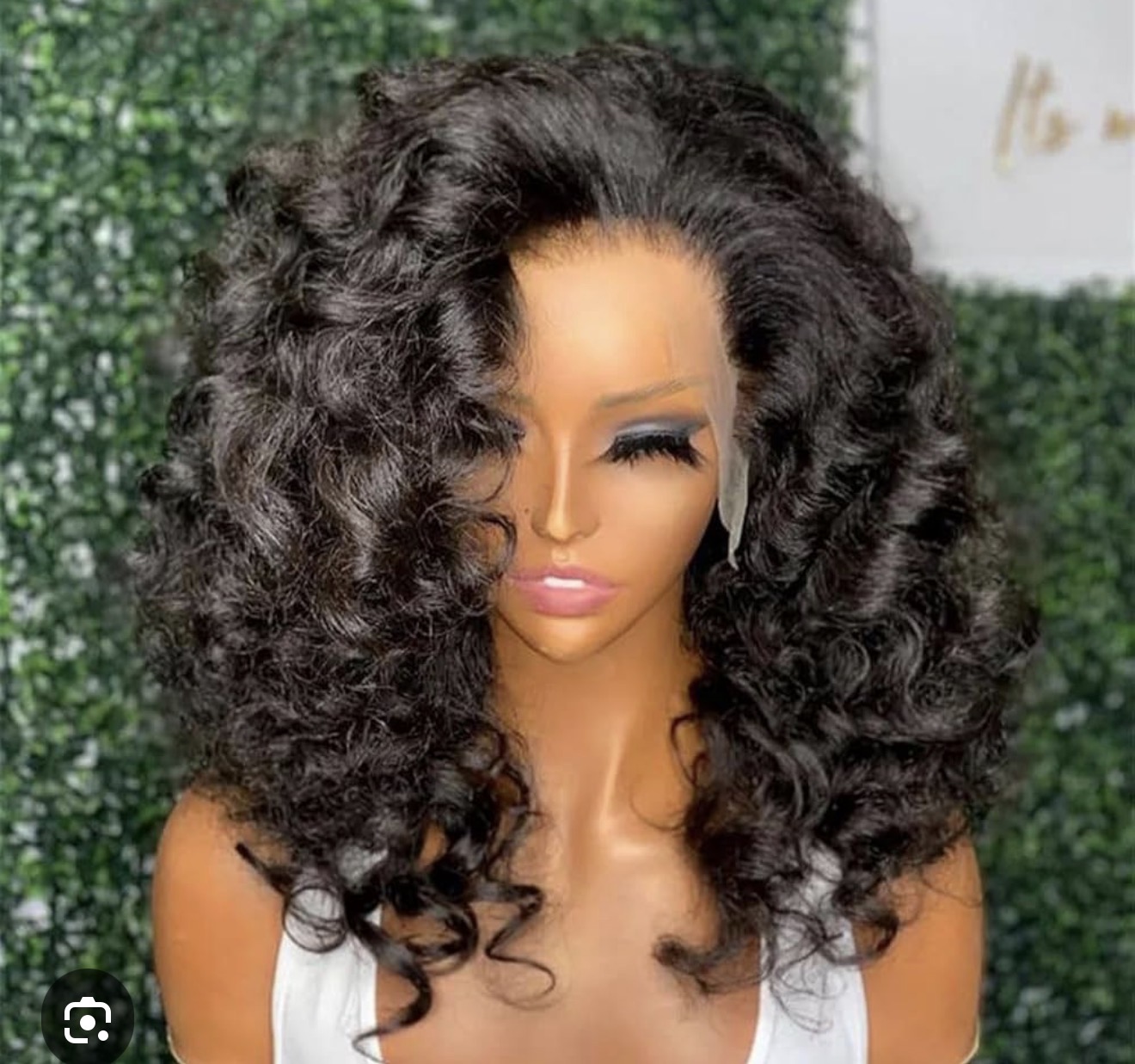
The most natural-looking density. Mimics the look of real hair that isn't overly thick. Great for everyday wear and for those who want a realistic, understated look. Most commonly found in human hair wigs.
📸 Robin's Reference Photos
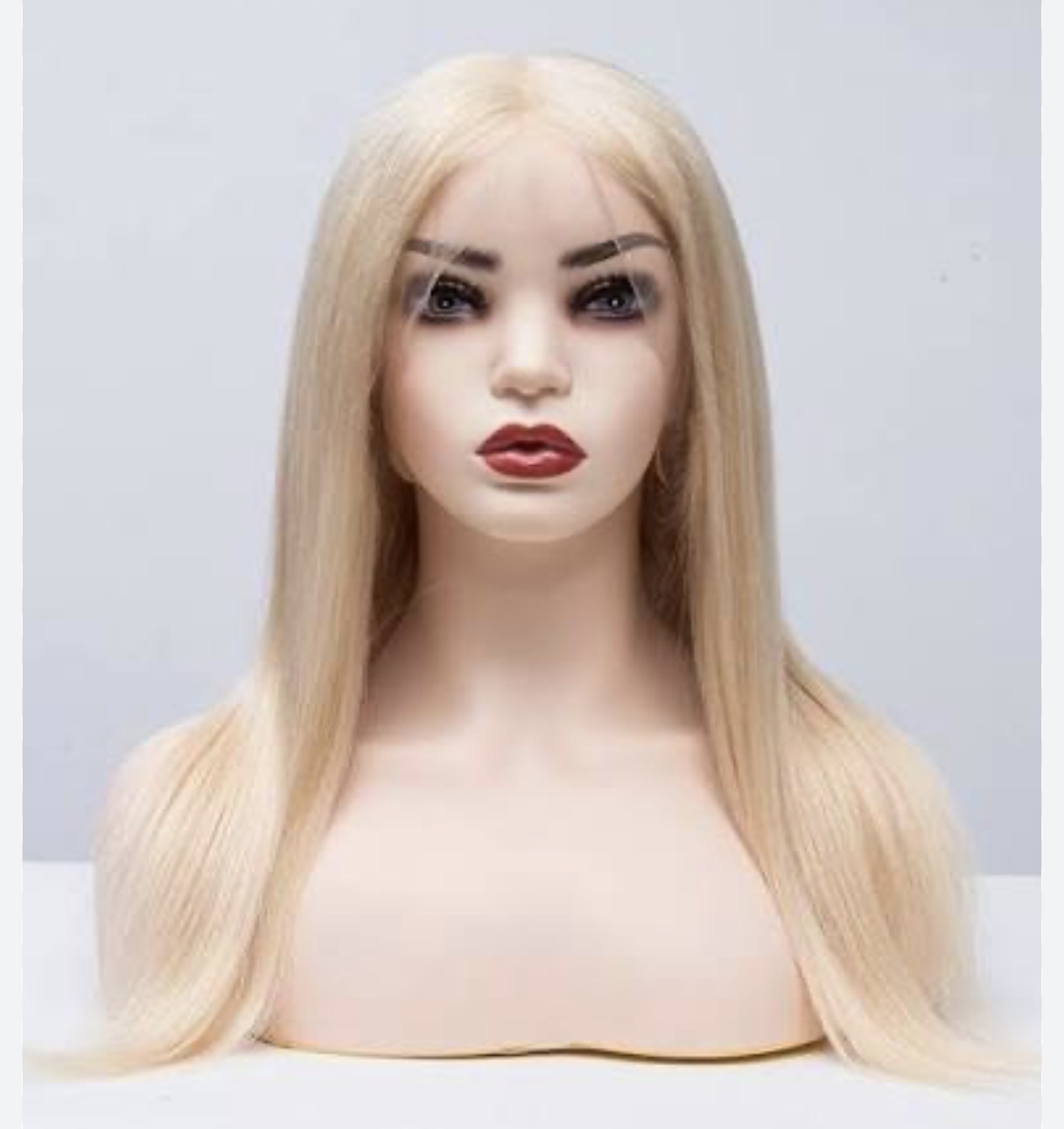
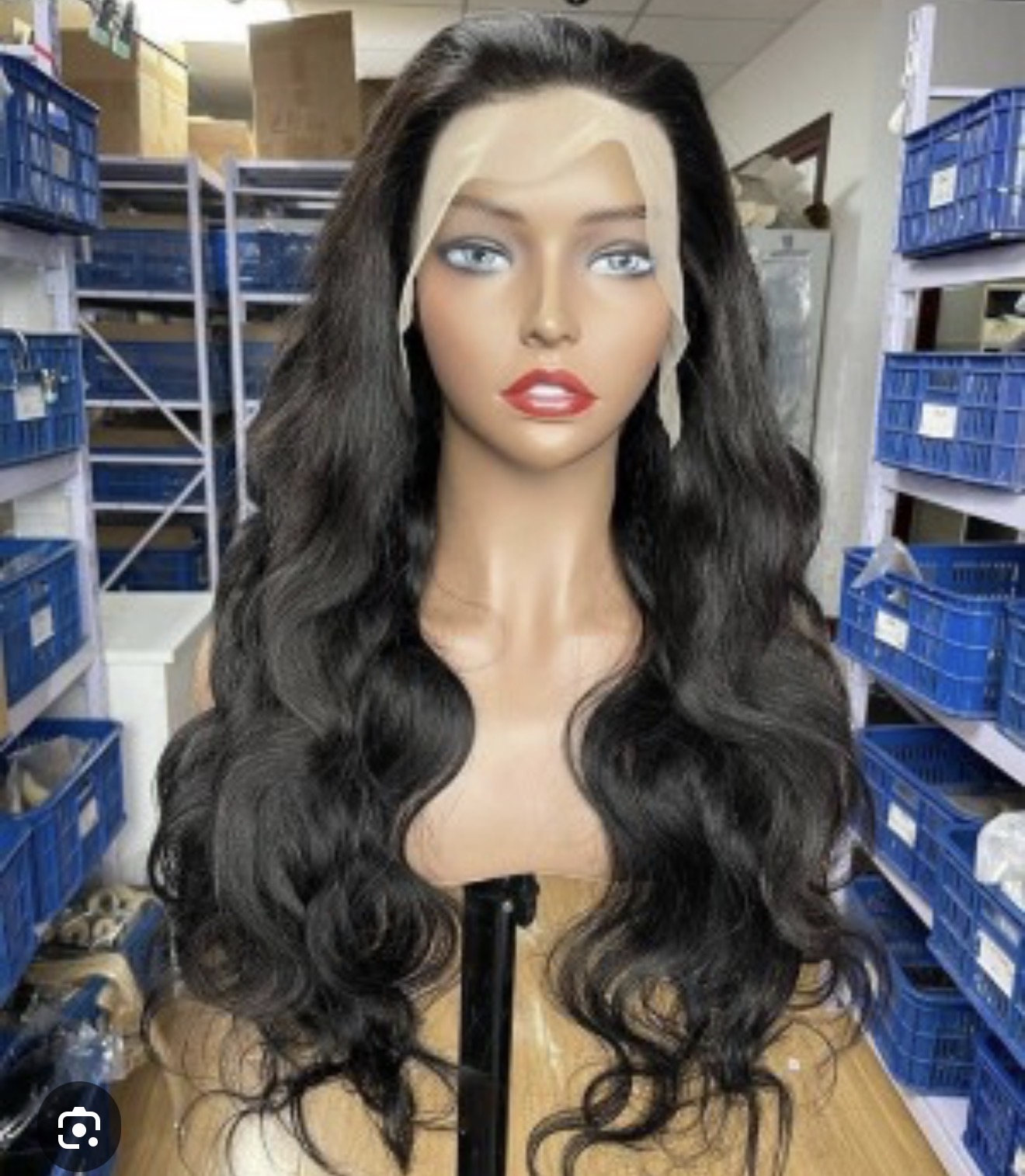
The most popular density level. Provides a full, healthy look without being over-the-top. Strikes the perfect balance between natural and glamorous. Works well for most face shapes and styling preferences.
📸 Robin's Reference Photos
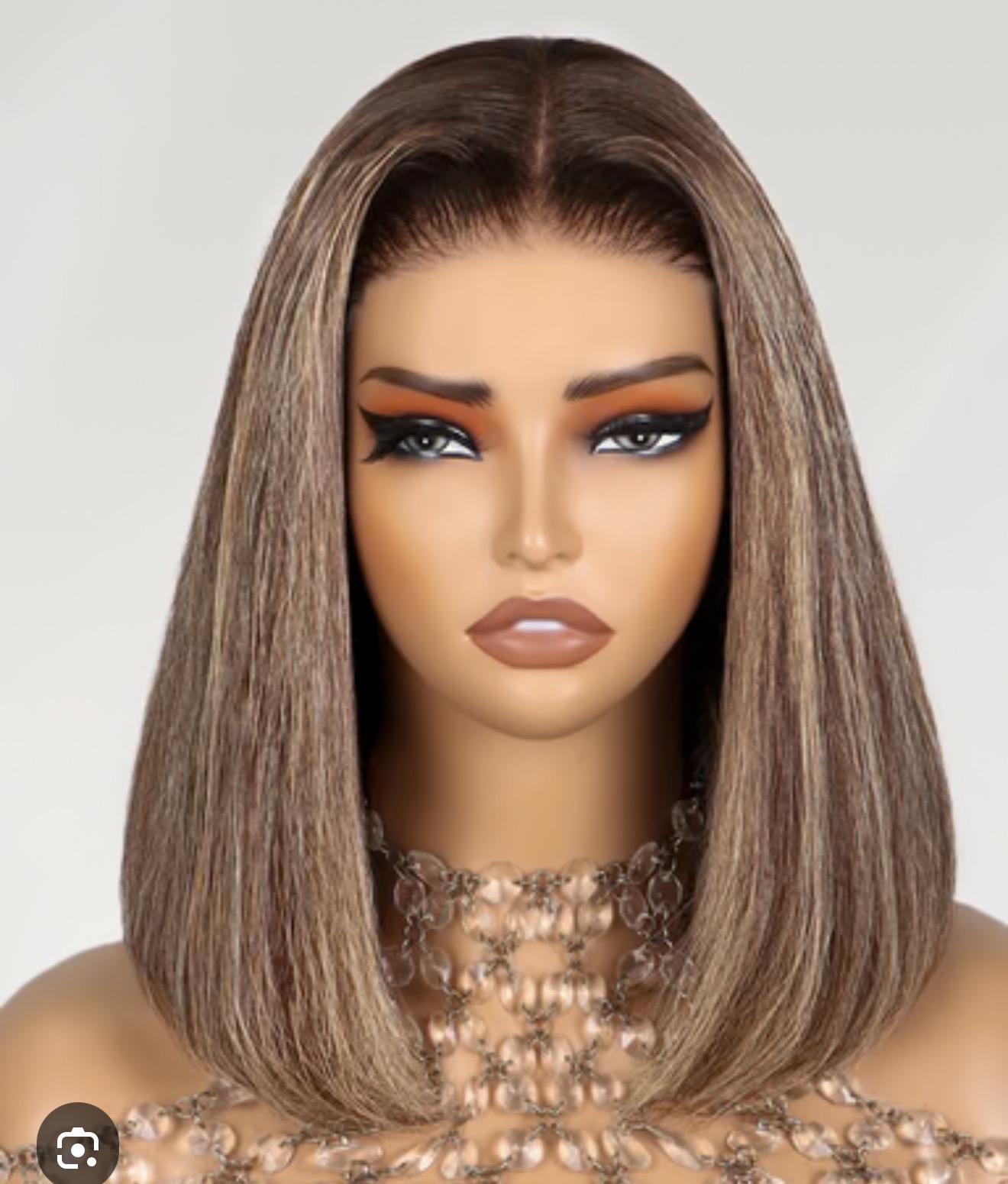
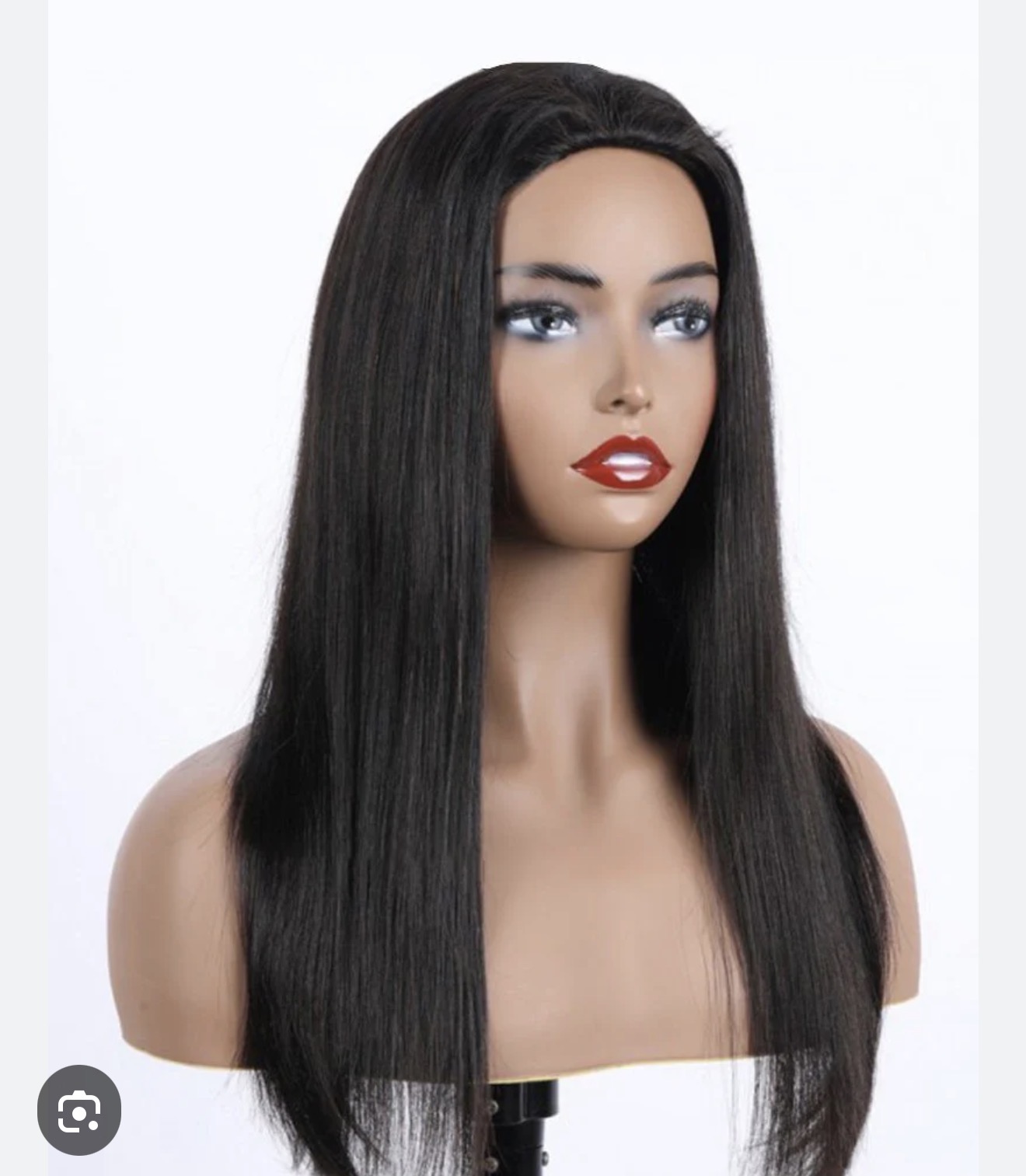
Noticeably fuller than natural hair. Great for special occasions, photo shoots, or when you want a bold, glamorous look. Still wearable for everyday use if you prefer a fuller style.
📸 Robin's Reference Photos
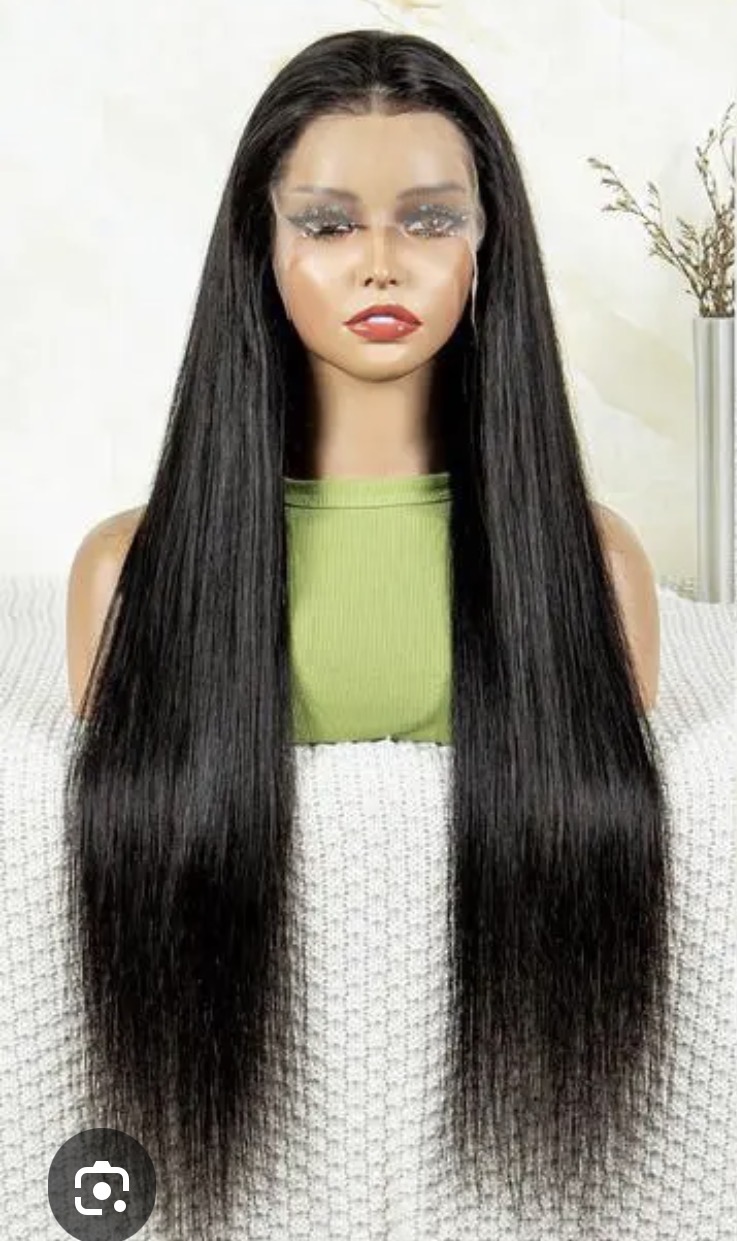
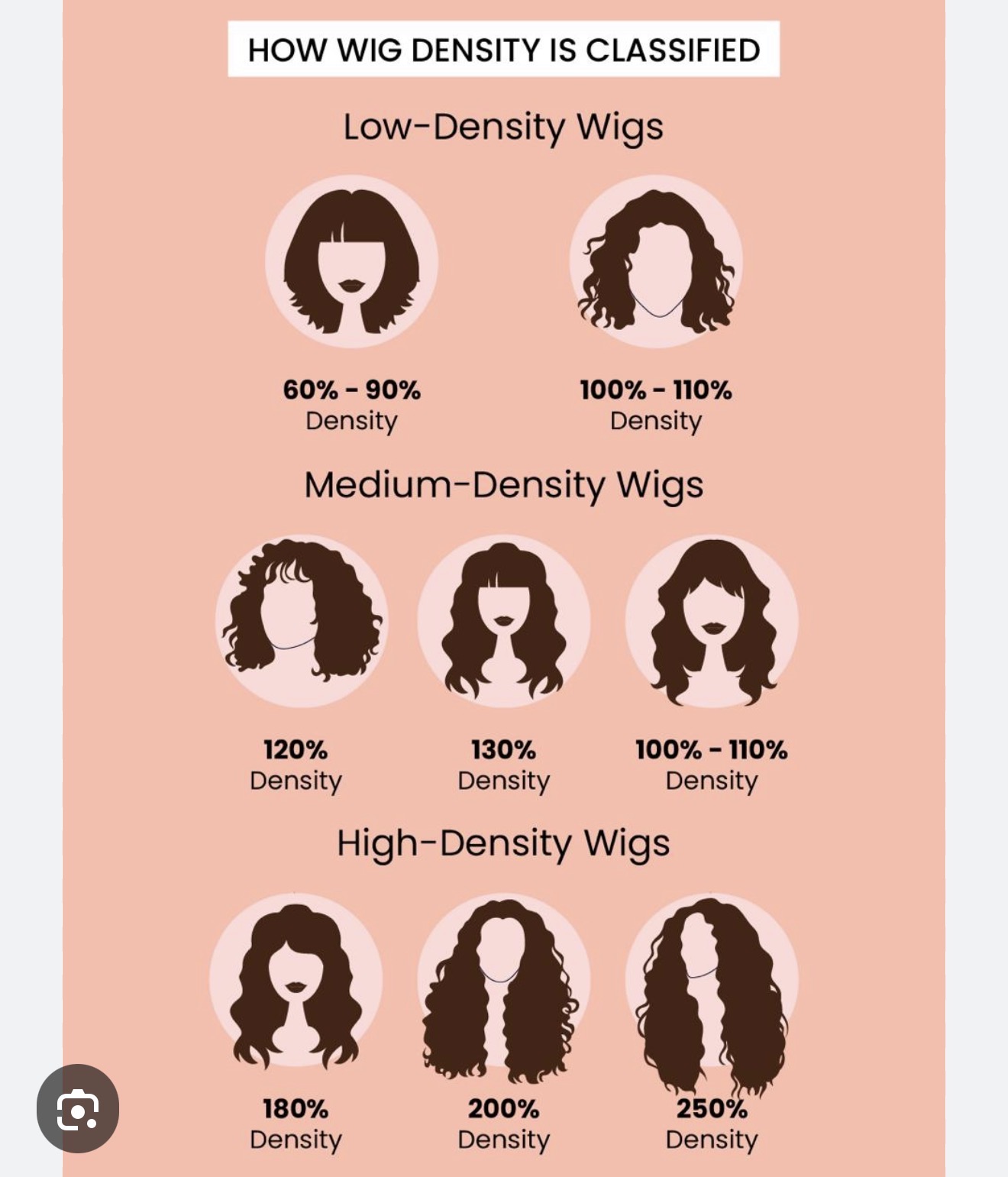
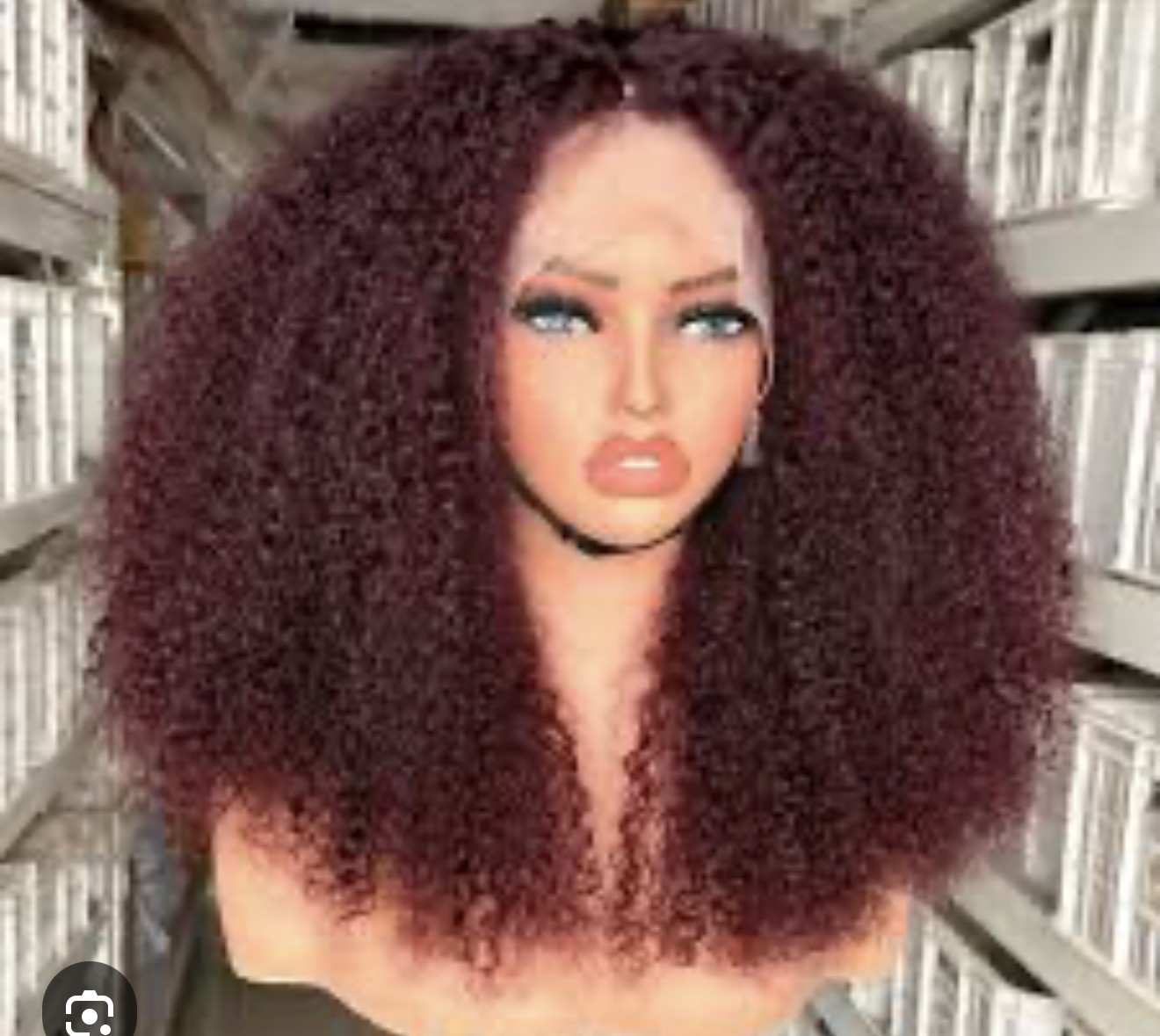
Very thick and full — significantly more volume than natural hair. Often used for dramatic looks, performances, or when maximum impact is the goal. Can feel heavier on the head.
📸 Robin's Reference Photos
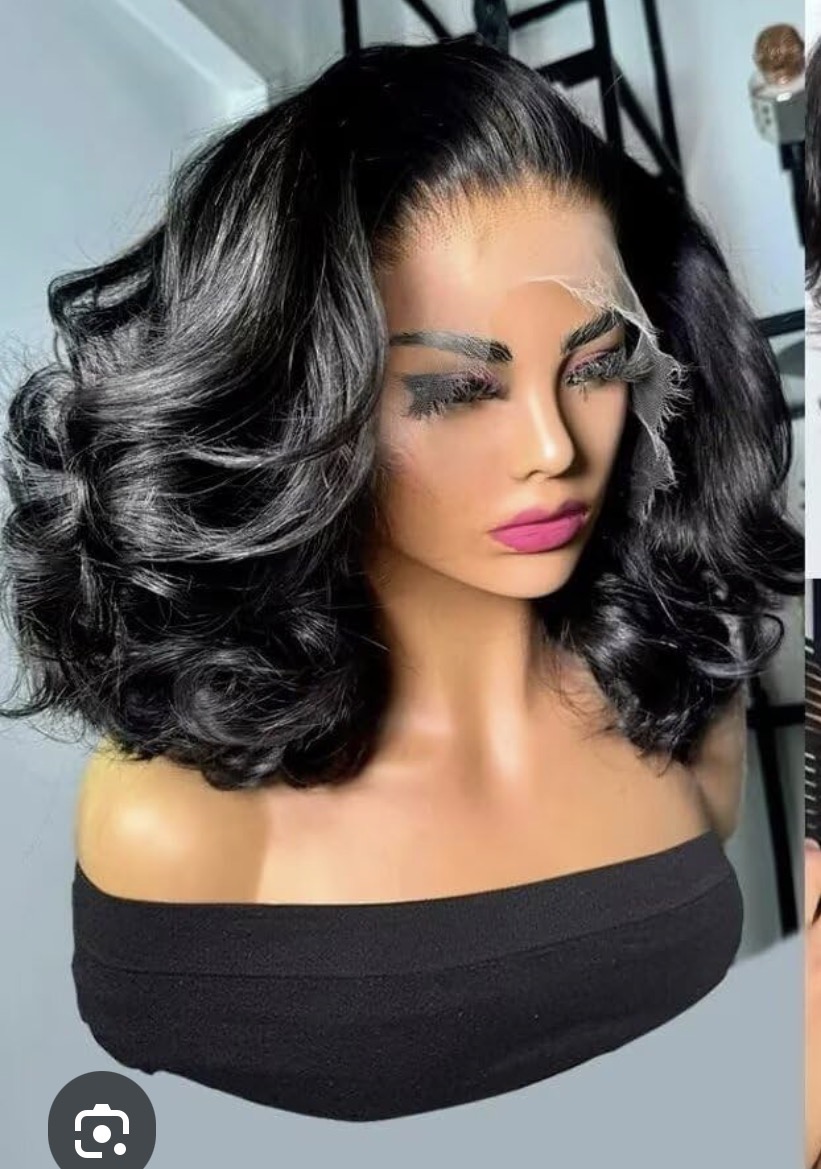
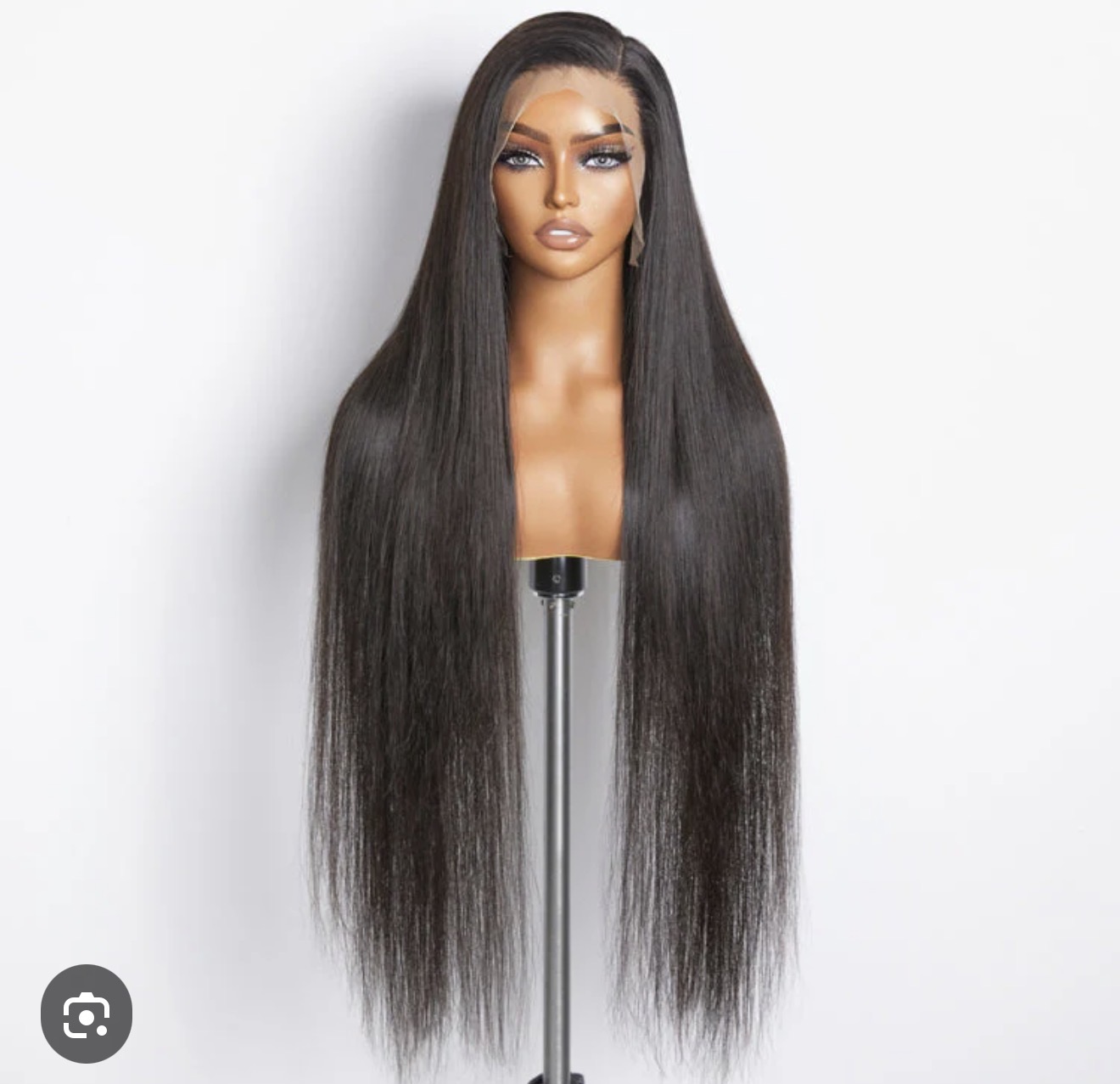
The thickest density available. Extremely full and heavy — primarily used for theatrical performances, music videos, or extreme styling. Not recommended for everyday wear due to weight and unnatural appearance.
📸 Robin's Reference Photos
Lesson 5
HOW TO READ A WIG LISTING
Before you click "Buy Now" — know what you're actually reading. Here's what every element in a wig listing means.
Cap Construction Label
🏗️The first thing to look for. It tells you what type of cap the wig uses — Full Lace, Lace Front, 360, U-Part, etc. This determines how natural the hairline looks, how you can style it, and how it's installed. If the listing doesn't clearly state the cap construction, that's a red flag.
Fiber / Hair Type
🧬Look for whether the wig is 100% human hair, synthetic, or a blend. For synthetic, look for the specific fiber type (Kanekalon, Futura, protein fiber, etc.). Vague terms like 'high quality fiber' or 'premium synthetic' without specifics are marketing language — not guarantees.
Density Percentage
📊Tells you how thick the hair is. 130% is natural-looking, 150% is popular and full, 180%+ is glamorous/theatrical. If no density is listed, the wig is likely on the lower end. Always check if the product photos match the density percentage claimed.
Lace Type & Color
🎨For lace wigs, the listing should specify the lace type (transparent, Swiss, French, HD) and the lace color (transparent, medium brown, dark brown). Transparent or HD lace works for most skin tones. Pre-tinted or pre-bleached knots are a bonus — it saves you work.
Length Measurement
📏Wig length is measured from the root to the tip when the hair is straight. A 20-inch wig will look shorter when curly or wavy. Always check if the length is measured straight or styled. Also check if the length shown in photos matches the listed measurement.
Heat Rating / Temperature
🌡️For synthetic wigs, look for the maximum heat tolerance in °F or °C. Non-heat-friendly wigs will melt or frizz permanently if you use heat tools. If no heat rating is listed for a synthetic wig, assume it is NOT heat-friendly until confirmed.
Return Policy & Seller Rating
⭐Always check the return policy before buying — especially for wigs. Many sellers do not accept returns on wigs for hygiene reasons. Check the seller's overall rating, number of reviews, and how they respond to negative feedback. A seller with thousands of reviews and a 4.5+ rating is generally safer.
CLASS DISMISSED.
You are now significantly more educated than you were before. Robin accepts no responsibility for what you do with this information. Use it wisely. Buy better wigs. Tell the truth.
— Robin 🎤